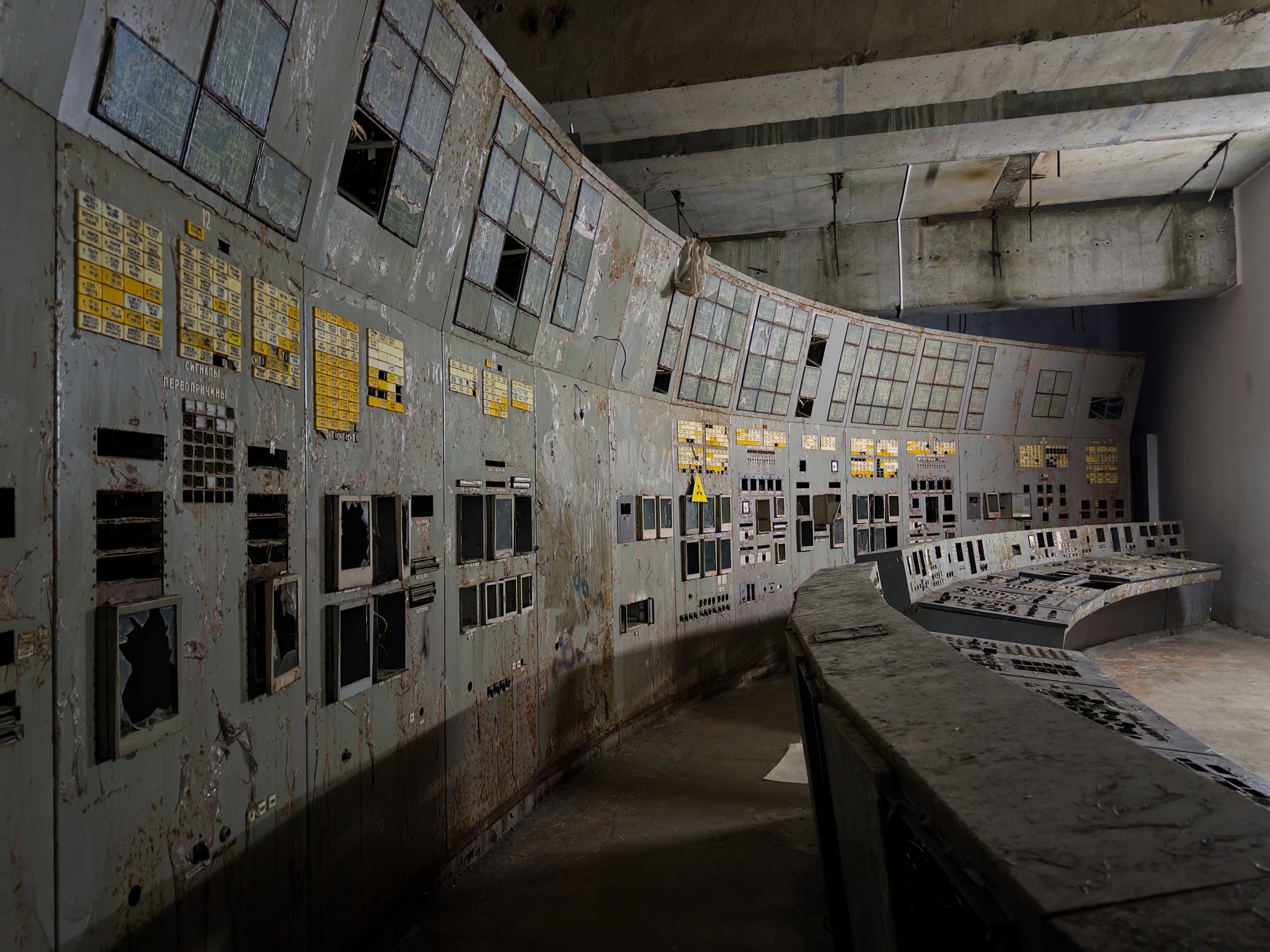
Nearly four decades after the 1986 disaster, the Chernobyl exclusion zone has transitioned from merely a concrete graveyard and a place of silence to a living laboratory and, more recently, a theater of military operations. Journalist Matthew Sparkes of *New Scientist* revisited the region, discovering a landscape where nature aggressively reclaims its territory, even as scientific infrastructure endeavors to recover from the damage inflicted by the brief, yet traumatic, Russian occupation in 2022.
Environmental recovery within the zone presents a phenomenon of contrasts. Absent constant human presence, wildlife thrives in areas once strictly urban, fostering a unique ecosystem for the study of radiobiology. Nevertheless, invisible risks persist: radiation continues to dictate movement protocols, and the soil, once stable in its contamination, was disturbed by trenches and tanks during the initial months of Russia's invasion of Ukraine.
Beyond its nuclear legacy, Chernobyl now confronts the burden of modern geopolitical conflict. Laboratories that monitored radiation levels were looted or destroyed, and the work of international researchers has been impeded by the presence of landmines and the constant threat of further assaults. What was once a historical site for reflection on the limits of energy technology has tragically become a symbol of science's vulnerability in the face of brute force.
With information from Exame Inovação.
Source · Exame Inovação