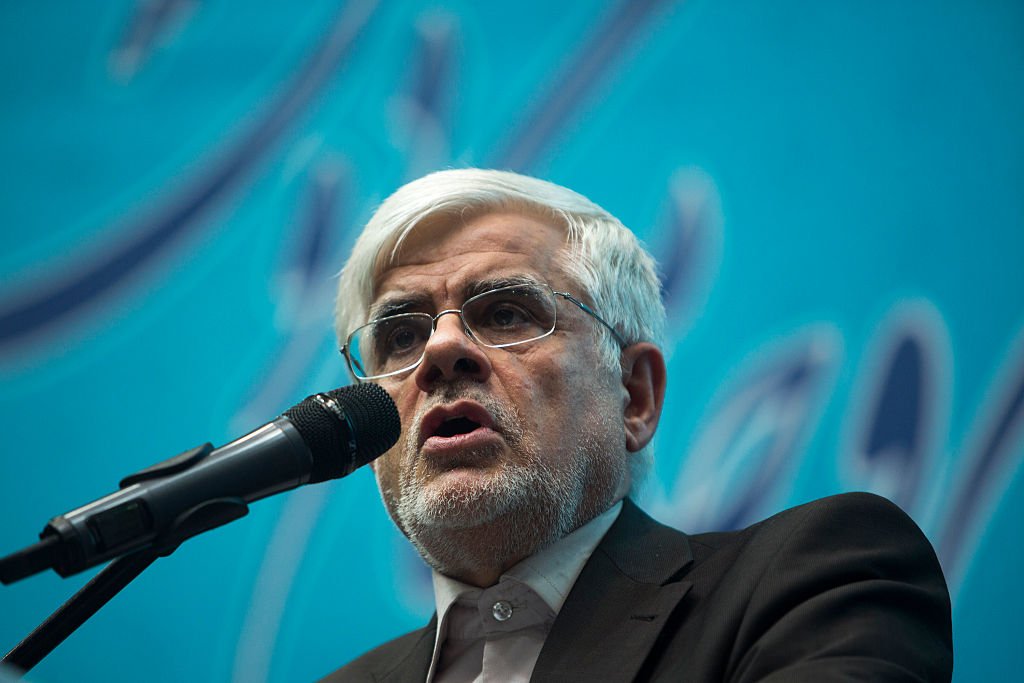
The geopolitical landscape of the Middle East is undergoing a new phase of rhetorical friction. Mohammad Reza Aref, Iran's First Vice President, stated last Sunday that the United States government had "begged" for a ceasefire in the conflict involving the two nations. According to Aref, following the alleged plea, Washington adopted a stance he characterized as "childish and contradictory" during the negotiation process.
This declaration comes at a sensitive juncture, just days before the expiration of a temporary non-aggression agreement. Tehran's shift in tone signals heightened uncertainty regarding regional stability and the preservation of diplomatic channels, which appear increasingly obstructed by mutual distrust and last-minute demands.
For international observers, the Iranian leadership's use of pejorative terms aims not only at an external audience but also at solidifying a narrative of internal resilience. As the agreement's deadline approaches, the global community monitors whether the impasse will lead to a new round of sanctions or a dangerous resumption of direct hostilities.
With information from Exame Inovação.
Source · Exame Inovação