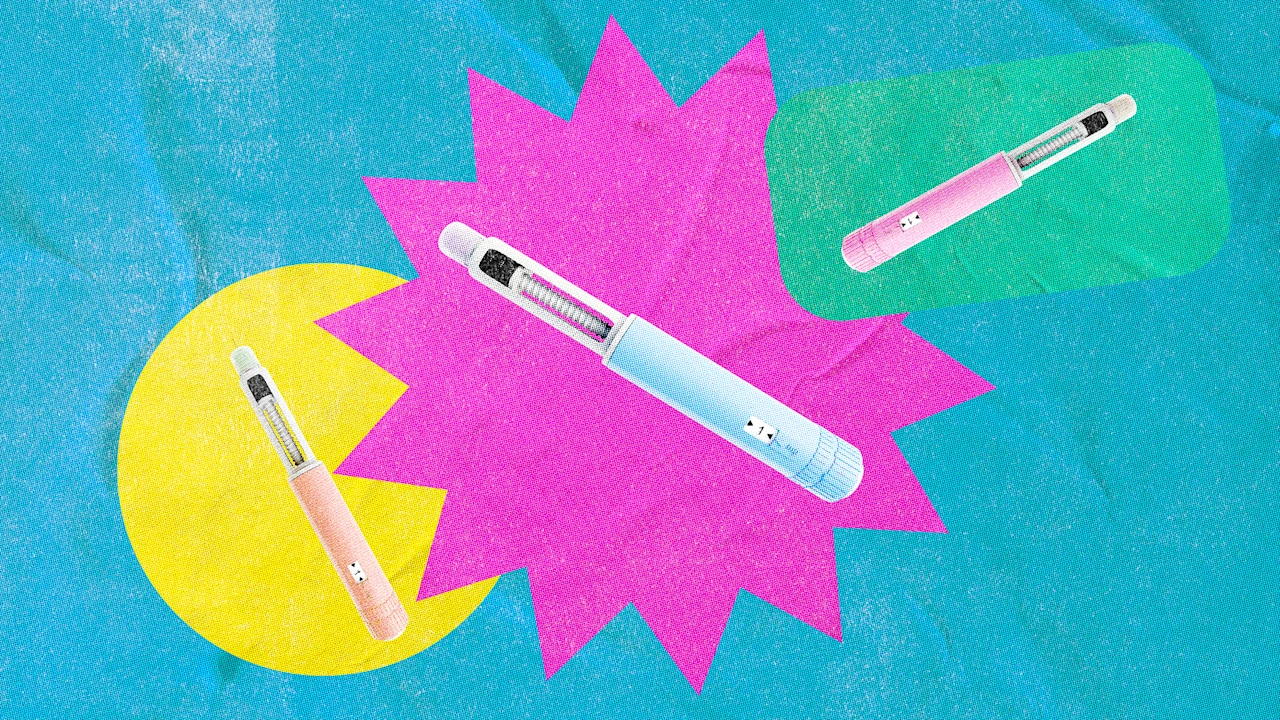
The visual landscape of American consumerism has undergone a clinical shift. High-profile endorsements, such as Serena Williams’s 2026 Super Bowl appearance, have transitioned GLP-1 medications from specialized medical treatments into mainstream lifestyle products. This aggressive visibility has sparked a massive uptick in digital inquiries for semaglutide and tirzepatide, as millions of Americans seek to navigate the complexities of weight-loss pharmacology through a browser window.
Yet, the architecture of this market is fundamentally broken by its cost. The high price of brand-name drugs like Wegovy and Mounjaro, combined with a lack of comprehensive insurance coverage, has created a lucrative void. In its place, a sprawling digital gray market has emerged. Health researchers warn that these online storefronts often use sophisticated, if misleading, design tactics to sell "alternative" versions of these drugs, capitalizing on consumer desperation and the prestige established by legitimate pharmaceutical branding.
The danger lies in the blurring of lines between a regulated medical intervention and a common commodity. While the FDA has approved specific formulations like semaglutide and orforglipron, the internet’s unregulated corners offer no such guarantees of purity or safety. As medical advertising becomes increasingly indistinguishable from luxury marketing, the burden of vetting these substances falls dangerously on the individual, highlighting a systemic failure to balance pharmaceutical innovation with public safety.
With reporting from Fast Company Design.
Source · Fast Company Design