For decades, the industrial design of outdoor equipment has relied on a set of unspoken physical assumptions. Tents require high-tension maneuvers to lock poles into grommets; backpacks demand intricate fine-motor skills to adjust straps; sleeping bags often necessitate two-handed dexterity to operate zippers. These "tried and tested" methods, while effective for a specific body type, have long served as unintentional barriers to the wilderness.
The North Face’s new Universal Collection represents a fundamental shift in this logic. Led by Senior Technical Equipment Designer Luke Matthews, the project was developed in close collaboration with adaptive athletes, including skier Vasu Sojitra and climber Maureen Beck. The goal was not merely to create "specialized" equipment, but to re-examine the friction points inherent in standard gear. Matthews notes that the project forced a re-evaluation of legacy protocols, such as the sheer force required to assemble a tent, which many designers had previously taken for granted.
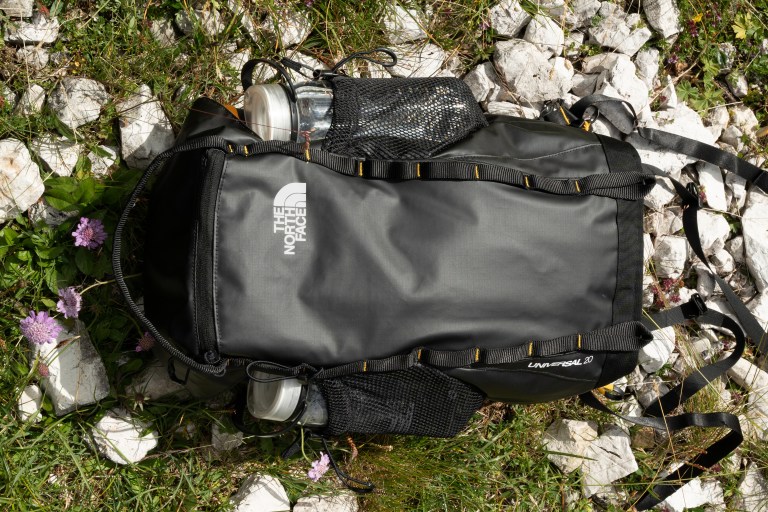
By centering the needs of athletes with limb differences or limited mobility, the collection introduces a new vocabulary of accessibility to the brand’s technical line. The resulting tent, sleeping bag, and accessories suggest that inclusive design is not a compromise on performance, but an evolution of it. When a mechanism is made easier to operate for an adaptive athlete, it becomes more efficient for everyone, signaling a future where the architecture of the outdoors is defined by ease rather than resistance.
With reporting from Cool Hunting.
Source · Cool Hunting