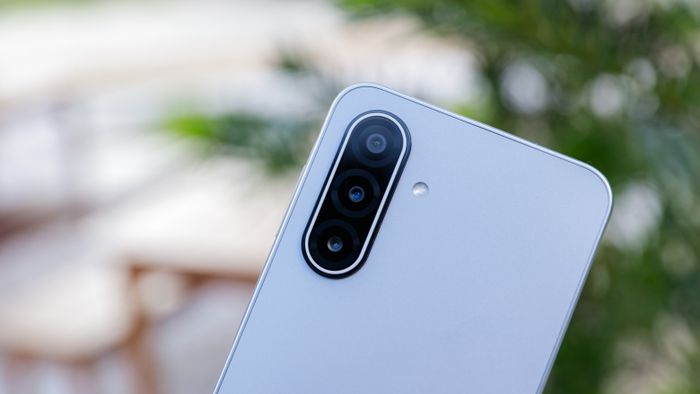
The escalation of urban crime and the increasing sophistication of digital scams in Brazil have solidified a practice of cyber self-defense: the 'Pix Phone.' This strategy involves maintaining a secondary device, exclusively dedicated to financial transactions, permanently at home. By isolating banking applications from the primary device used daily, users establish a physical barrier against unauthorized access in instances of street theft or coercion.
To fulfill this function of domestic custody, the hardware does not necessitate high graphical performance or state-of-the-art cameras. The emphasis shifts instead to software longevity and security robustness. It is imperative that the device supports regular operating system updates and incorporates biometric authentication methods, such as fingerprint readers or facial recognition, thereby ensuring that account access remains restricted even within the secure confines of the home.
Among the entry-level options that balance cost and functionality for this specific purpose, models such as the Galaxy A17 and the Moto G35 are prominent, alongside alternatives like the Realme 14T and the Jovi Y19s. These devices, while modest in features, provide the requisite stability to operate financial services seamlessly. By investing in an economical model for this role, users effectively transform a basic gadget into an efficient digital safe.
Source: Canaltech.
Source · Canaltech