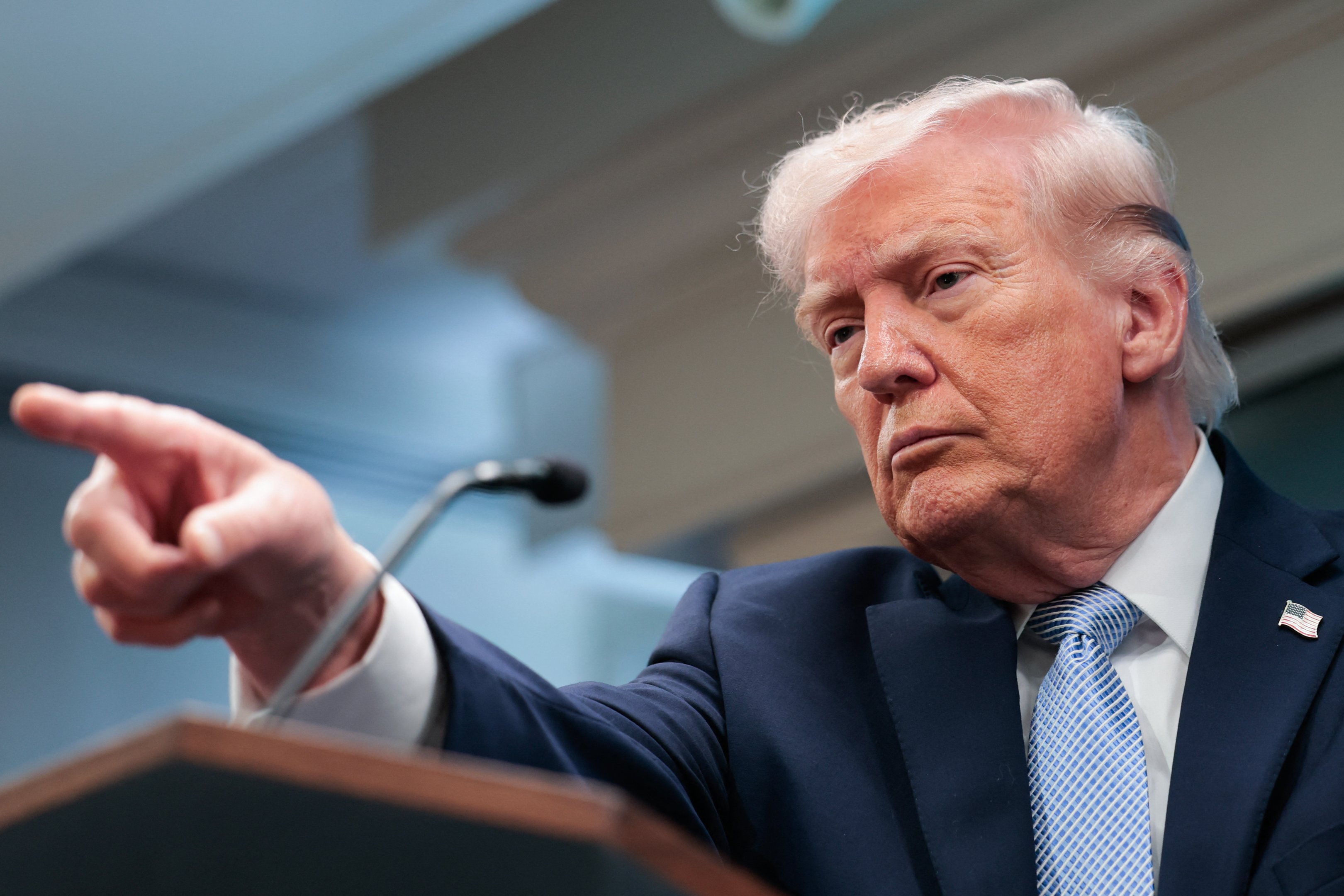
The geopolitical clock in the Middle East has been reset, if only temporarily. On Tuesday, President Donald Trump extended the existing ceasefire between the United States and Iran, a move that arrived just hours before a critical deadline was set to expire. The decision offers a brief reprieve in a long-standing confrontation that has frequently threatened to escalate into open conflict.
The administration’s rationale for the extension centers on the internal dynamics of the Iranian state. Trump noted that the "grave fragmentation" currently characterizing the government in Tehran justified the delay. This framing suggests that the U.S. is navigating a complex landscape where the Iranian leadership is perceived as increasingly fractured, complicating direct diplomatic or military resolution.
While the extension prevents an immediate escalation, it does little to resolve the underlying friction between the two nations. The fragmentation cited by the White House points to a regime in flux, yet the strategic objectives of both Washington and Tehran remain fundamentally at odds. For now, the region remains in a state of suspended animation, governed by a truce that is as fragile as the political landscape that necessitated it.
With reporting from Exame Inovação.
Source · Exame Inovação