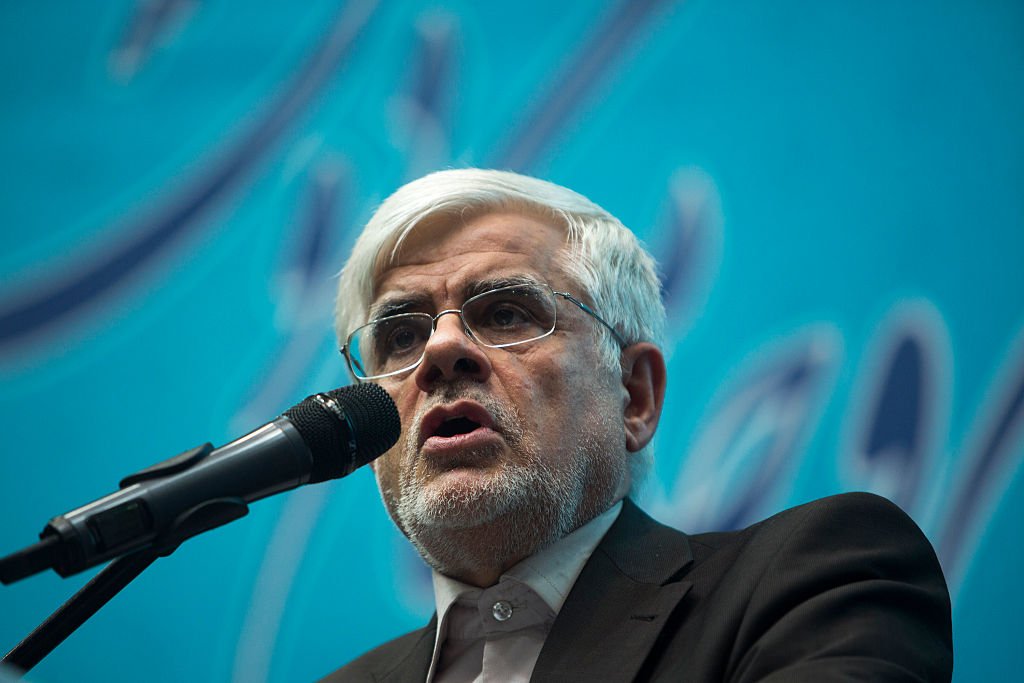
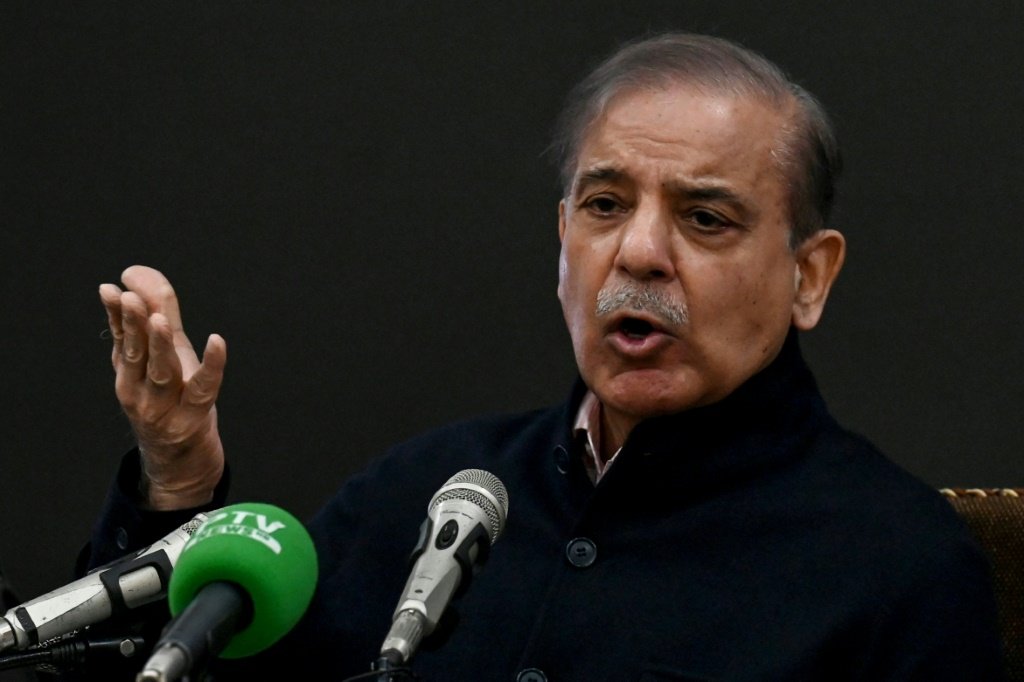
President Donald Trump signaled a pivot toward high-stakes diplomacy with Iran this Tuesday, telling CNBC he anticipates a "big deal" to conclude the weeks-long conflict. Despite the optimism for a long-term resolution, the President remained firm on the immediate timeline: the current ceasefire, set to expire on Wednesday, April 22, will not be extended. Trump’s stance rests on the calculation that Washington’s leverage has reached a zenith, leaving Tehran with little choice but to negotiate from a position of profound weakness.
The administration’s confidence stems from a series of military engagements that the President claims have systematically dismantled Iran’s strategic assets. In his interview with *Squawk Box*, Trump asserted that the U.S. has effectively neutralized the Iranian navy and air force while removing key figures from the country’s command structure. This attrition has led to what Trump characterized as an "indirect" regime change—a shift he argues has replaced ideological hardliners with leaders who are "much more rational," even if their ascent was not the stated objective of American policy.
As the deadline for the ceasefire approaches, the focus shifts to the potential for a diplomatic breakthrough in neutral territory. Trump indicated that the U.S. views Pakistan as a viable venue for a second round of peace talks. By refusing to prolong the temporary truce, the White House is essentially betting that the threat of renewed hostilities will provide the necessary impetus for a permanent settlement, testing whether the "rationality" of Iran's new leadership extends to a full-scale recalibration of their regional ambitions.
With reporting from InfoMoney.
Source · InfoMoney