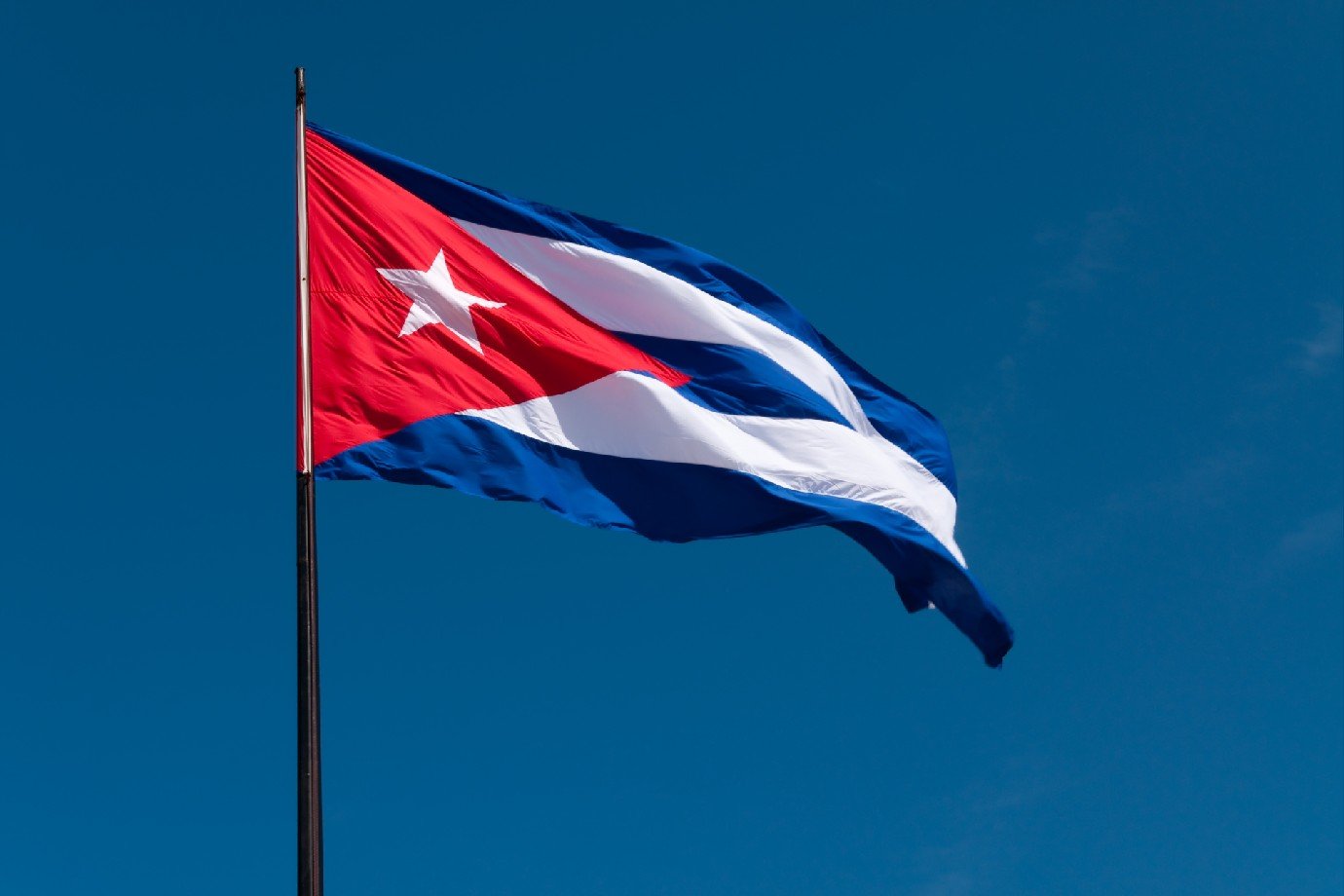
In a move of diplomatic alignment, the Cuban government publicly expressed its recognition of the stance taken by Brazil, Spain, and Mexico. The three countries signed a joint declaration that places the island's humanitarian crisis at the center of international debate, while simultaneously reinforcing the need to preserve Cuban sovereignty.
The document emerges at a time of latent tensions and severe economic difficulties in the Caribbean nation. By expressing concern for the well-being of the population, the trio of nations seeks to balance pressure for internal solutions with defense against external interventions, a sensitive point for the Havana regime.
For Itamaraty and its counterparts in Madrid and Mexico City, the initiative signals an attempt at pragmatic mediation. The gesture is viewed as an effort to prevent Cuba's complete isolation, fostering a channel for dialogue that acknowledges humanitarian challenges without disregarding regional stability and territorial integrity.
Official recognition by Cuba is the first step toward potential aid coordination or technical cooperation. However, the scenario remains complex, requiring Brazilian diplomacy and its partners to navigate between the demands for fundamental rights and the intricate political web surrounding the island.
With information from Exame Inovação.
Source · Exame Inovação