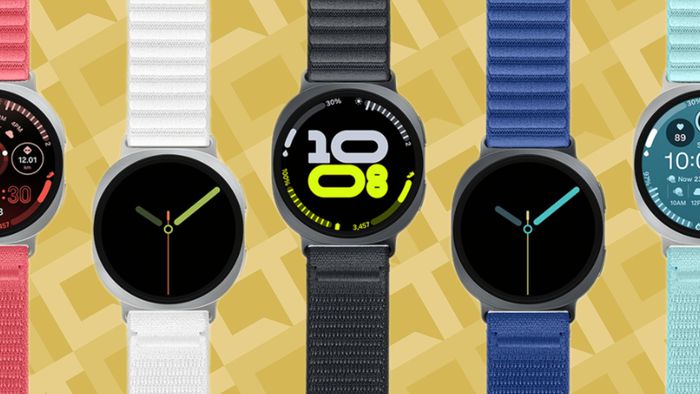
Smartwatches have evolved beyond being mere notification mirrors to establish themselves as biometric processing hubs. Within the Samsung ecosystem, the Galaxy Watch line exemplifies this transition by offering tools that transcend passive data collection, transforming raw metrics into personalized action plans for user well-being. A prominent aspect of this evolution lies in the refinement of sleep tracking. Rather than merely logging hours of rest, the system analyzes the consistency and quality of sleep based on multiple factors, including blood oxygenation and heart rate. With just three days of collected data, the algorithm can suggest optimal sleep windows and proposes a training program of up to four weeks to re-educate the biological clock. This profound integration between hardware and software reflects the maturity of the Internet of Things applied to health. By monitoring sleep stages and offering support for physical training and mental health, wearables transition from convenience accessories to preventive sentinels, aiding in the maintenance of a balanced routine amidst an increasingly accelerated daily life. With information from Canaltech.
Source · Canaltech