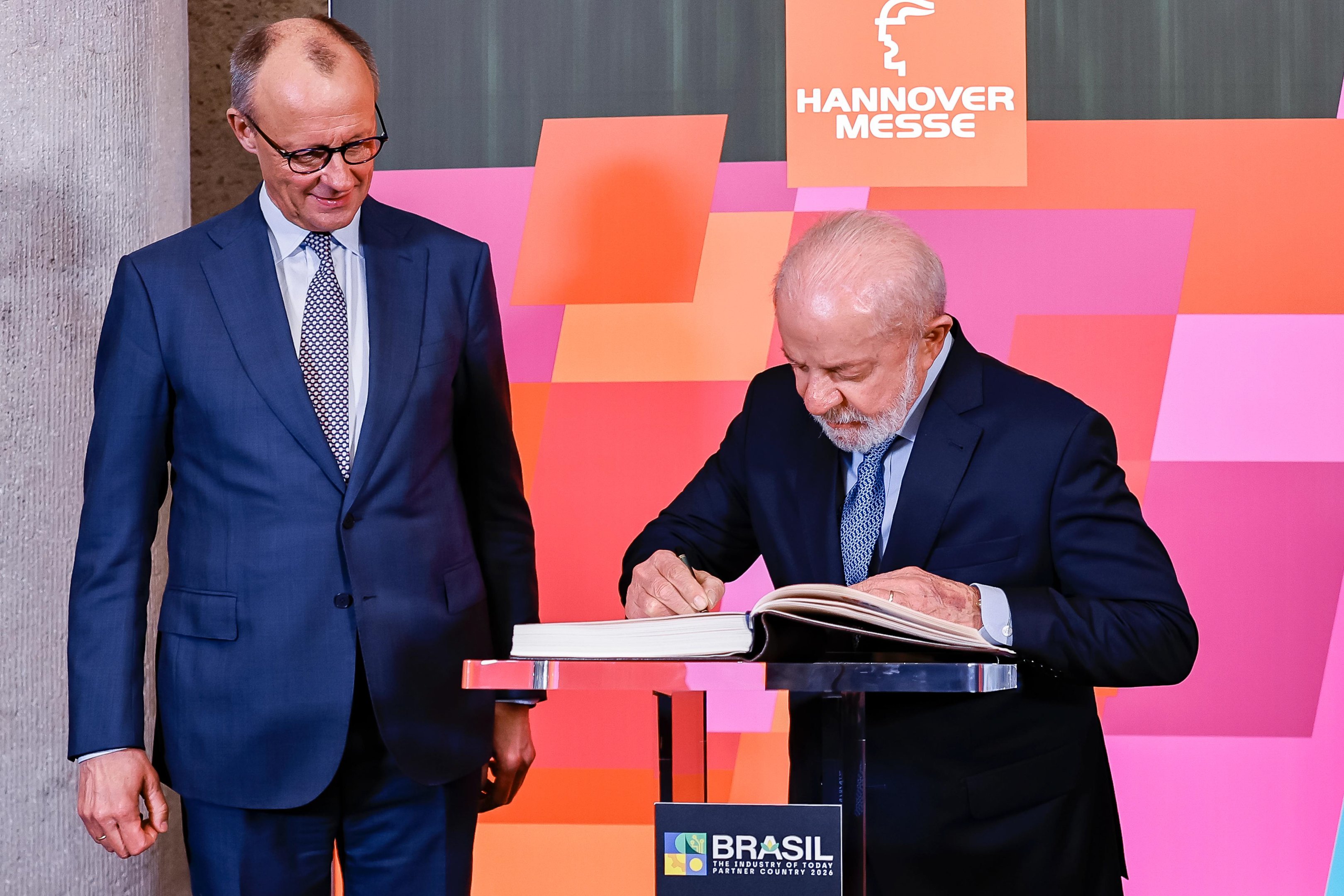
In the global race to decarbonize heavy industry and transport, the traditional hierarchy of innovation is being questioned. Speaking in Hannover, Friedrich Merz, the leader of Germany’s Christian Democratic Union, acknowledged that Brazil has moved significantly ahead of the European Union in the adoption and implementation of "new fuels."
The endorsement highlights a divergence in strategy. While the EU has focused on aggressive regulatory frameworks and a long-term shift toward electrification, Brazil has leveraged its existing agricultural dominance to create one of the world's most sophisticated biofuel markets. From ethanol-blended gasoline to emerging leadership in green hydrogen, the South American nation has turned its natural resources into a functional, low-carbon infrastructure.
Merz’s observations suggest that the European Union may need to look toward the Global South for practical lessons in energy scaling. As the continent grapples with high energy costs and the logistical hurdles of a total infrastructure overhaul, Brazil’s established success in alternative fuels offers a rare blueprint for a transition that is already operational rather than merely aspirational.
With reporting from Exame Inovação.
Source · Exame Inovação