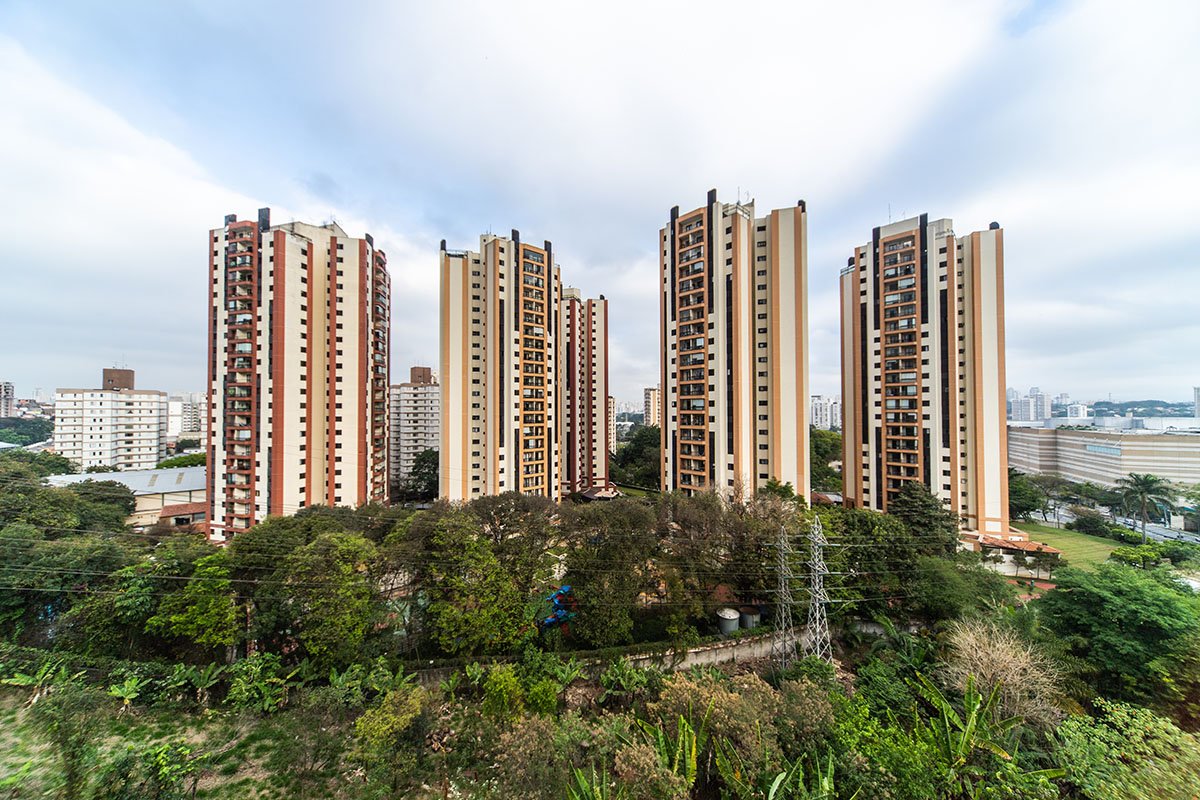
The Brazilian government has announced a R$20 billion ($3.5 billion) infusion into its flagship social housing program, *Minha Casa, Minha Vida*, drawing from the nation’s pre-salt oil reserves. This strategic reallocation, confirmed by the Ministry of Cities, pushes the total housing budget for 2026 to a historic R$200 billion. The move underscores a continued reliance on natural resource wealth to address chronic infrastructure deficits and stimulate the construction sector.
While the record-breaking budget aims to shorten the waitlist for low-income families, the expansion highlights a persistent gap in the country’s urban planning strategy. Industry analysts note that the additional funding does little to address the "Faixa 4" segment—a demographic of middle-income earners who fall outside the deepest subsidies but remain priced out of the private market. This middle-class squeeze continues to complicate efforts to create balanced, high-density urban environments.
The use of the Social Fund—originally designed to channel oil royalties into education and health—for housing reflects a broader shift in how the current administration prioritizes social equity through physical development. However, as the budget swells, the challenge remains one of distribution: ensuring that massive capital injections translate into sustainable urban growth rather than merely subsidizing a narrow band of the housing market.
With reporting from *Exame Inovação*.
Source · Exame Inovação