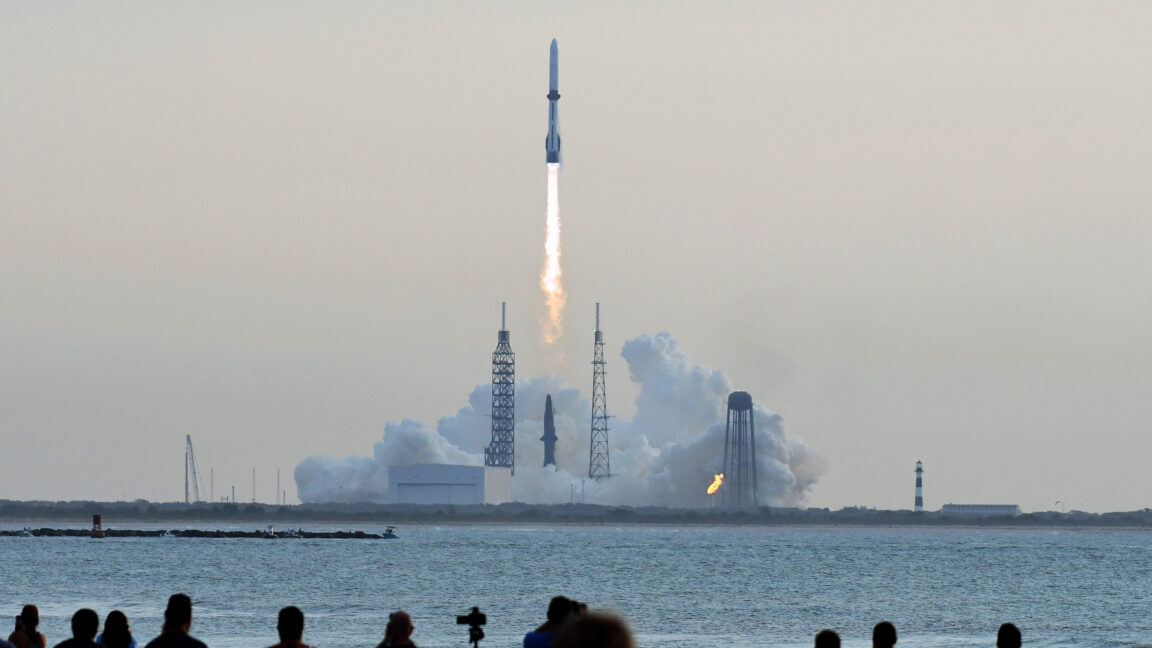
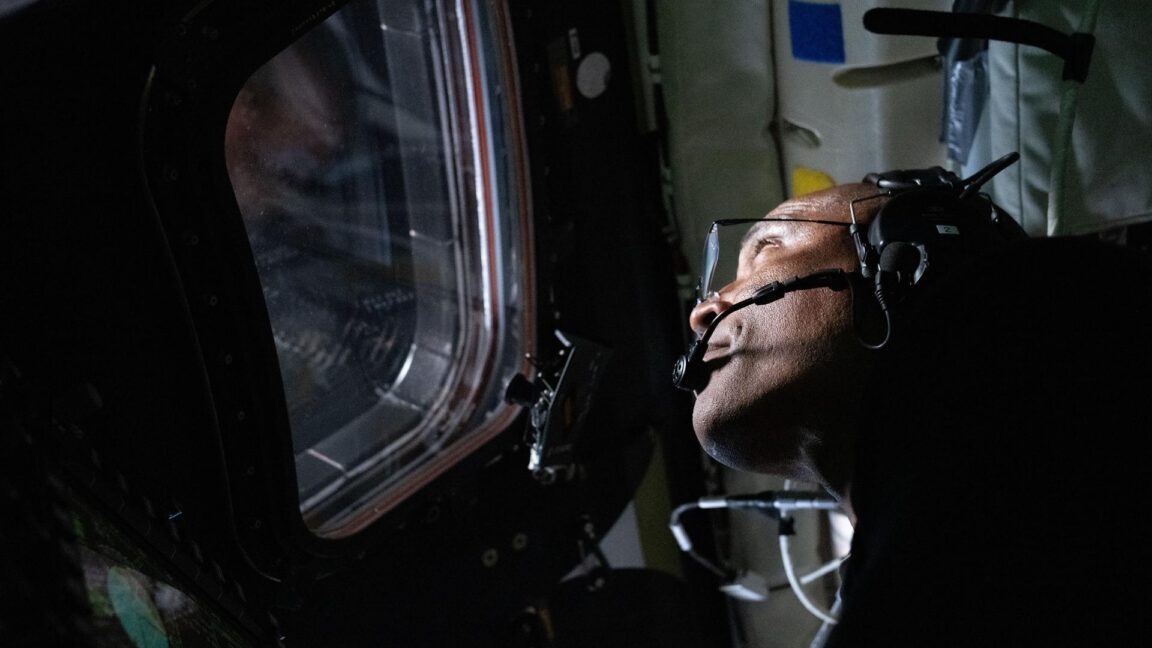
The crew of China’s Shenzhou-21 mission has completed its third extravehicular activity (EVA) outside the Tiangong space station, a routine but critical step in the long-term maintenance of the country's permanent presence in low Earth orbit. During the spacewalk on Thursday, astronauts focused on hardening the station against the increasing hazards of orbital debris, installing protective hardware and conducting a thorough external inspection of the outpost.
The work reflects the growing necessity of defensive engineering in space. As the population of defunct satellites and fragmented hardware in orbit grows, even small impacts can pose existential threats to pressurized modules. By prioritizing debris protection, the China Manned Space Agency (CMSA) is signaling a transition from the construction phase of Tiangong to a more mature, operational sustainment phase.
In tandem with the technical success of the spacewalk, officials announced that the Shenzhou-21 mission will be extended by approximately one month. This adjustment to the flight schedule suggests a high degree of confidence in the station’s life-support systems and the crew's endurance. As Tiangong matures, these incremental extensions provide valuable data on the physiological effects of long-duration spaceflight, foundational knowledge for China’s broader ambitions in the solar system.
With reporting from SpaceNews.
Source · SpaceNews