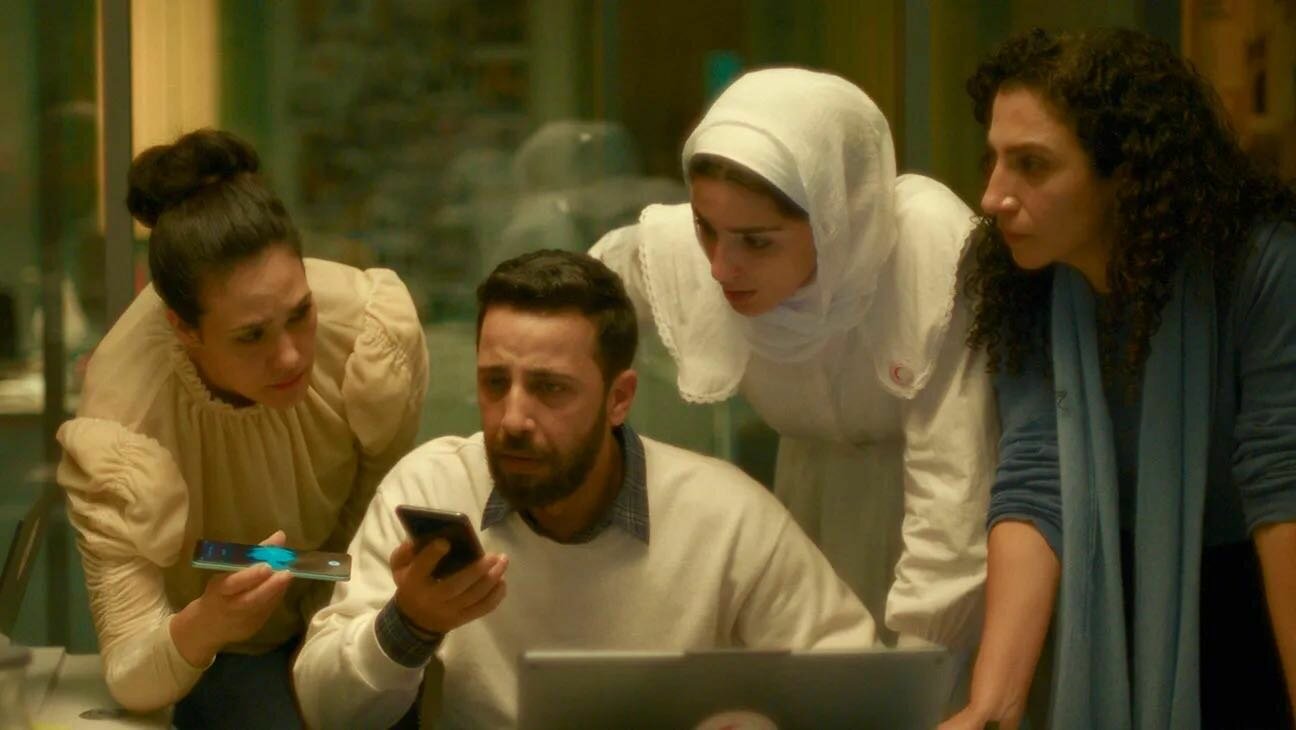
Cinema has always been a mirror to power, but two recent developments suggest the medium is increasingly being reshaped by external pressures—one geopolitical, the other behavioral. In India, the Central Board of Film Certification has blocked the theatrical release of *The Voice of Hind Rajab*, an Oscar-nominated docudrama by Kaouther Ben Hania. The film, which chronicles the tragic attempt to save a five-year-old Palestinian girl, was reportedly suppressed to avoid straining India's strengthening diplomatic ties with Israel under Prime Minister Narendra Modi.
While state censors manage the screen’s content, streaming giants are grappling with how viewers consume it. Netflix film chief Dan Lin recently issued a formal denial regarding a rumored mandate to "restate" plot points for distracted audiences. The controversy gained traction following a satirical sketch by Conan O’Brien at the Oscars, which mocked studios for assuming viewers are too preoccupied with their phones to follow a narrative.
The denial stands in tension with anecdotes from industry heavyweights. Earlier this year, Matt Damon claimed that during the production of *The Rip*, Netflix requested that the plot be reiterated multiple times in the dialogue. This "second-screen" philosophy suggests a quiet surrender to the fragmented attention spans of the digital age, where the cinematic experience is no longer a captive one, but a background element to the primary screen in the viewer’s hand.
With reporting from MUBI Notebook.
Source · MUBI Notebook