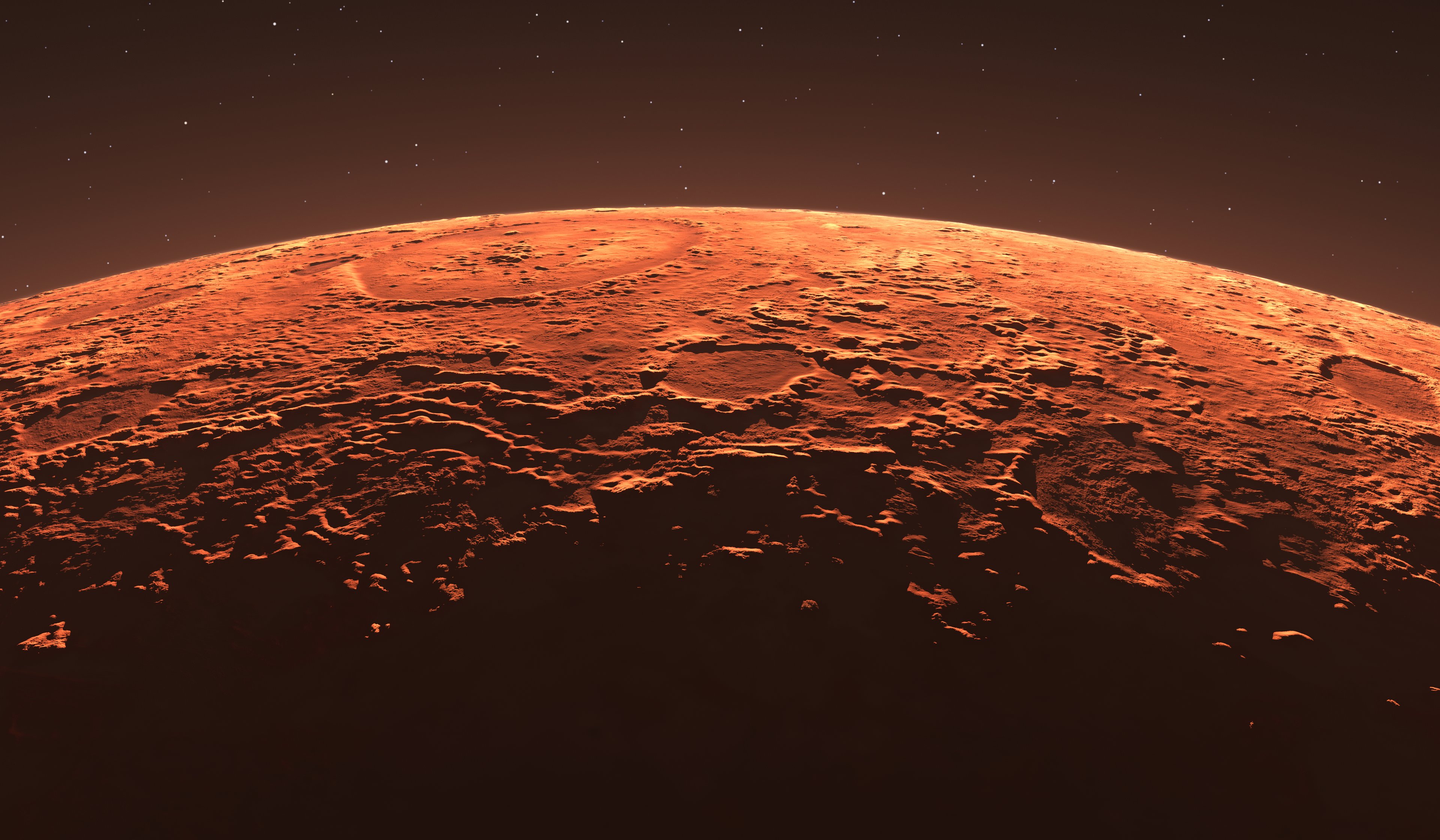
Since touching down in 2012, NASA’s Curiosity rover has served as a remote, robotic geologist, slowly picking its way across the Martian surface. Its mission has always been defined by a singular, profound question: did the Red Planet ever host the conditions necessary for life? According to recent data transmitted back to Earth, the answer has become significantly clearer.
The latest findings from the Gale Crater are being described as the most important since the mission began. By analyzing the chemical composition of Martian soil and rock, Curiosity has identified evidence that suggests a complex environmental history. This discovery moves the conversation beyond the mere presence of water, pointing toward a world that once possessed the sophisticated chemical building blocks required for biological activity.
This breakthrough is a testament to the endurance of the rover itself. Now well beyond its original mission lifespan, Curiosity continues to provide the granular data needed to reconstruct a planetary history billions of years in the making. As NASA scientists synthesize these results, the image of Mars as a once-dynamic and potentially inhabited world continues to sharpen, bridging the gap between ancient history and future exploration.
With reporting from Exame Inovação.
Source · Exame Inovação