The physical artifacts of family history—the sepia-toned wedding portrait, the creased snapshot from a long-lost summer—are inherently fragile. Over decades, paper yellows and ink fades, creating a slow erasure that memory alone cannot counteract. Until recently, reclaiming these images from the effects of time required the steady hand of a professional conservator or a high-level mastery of digital retouching tools.
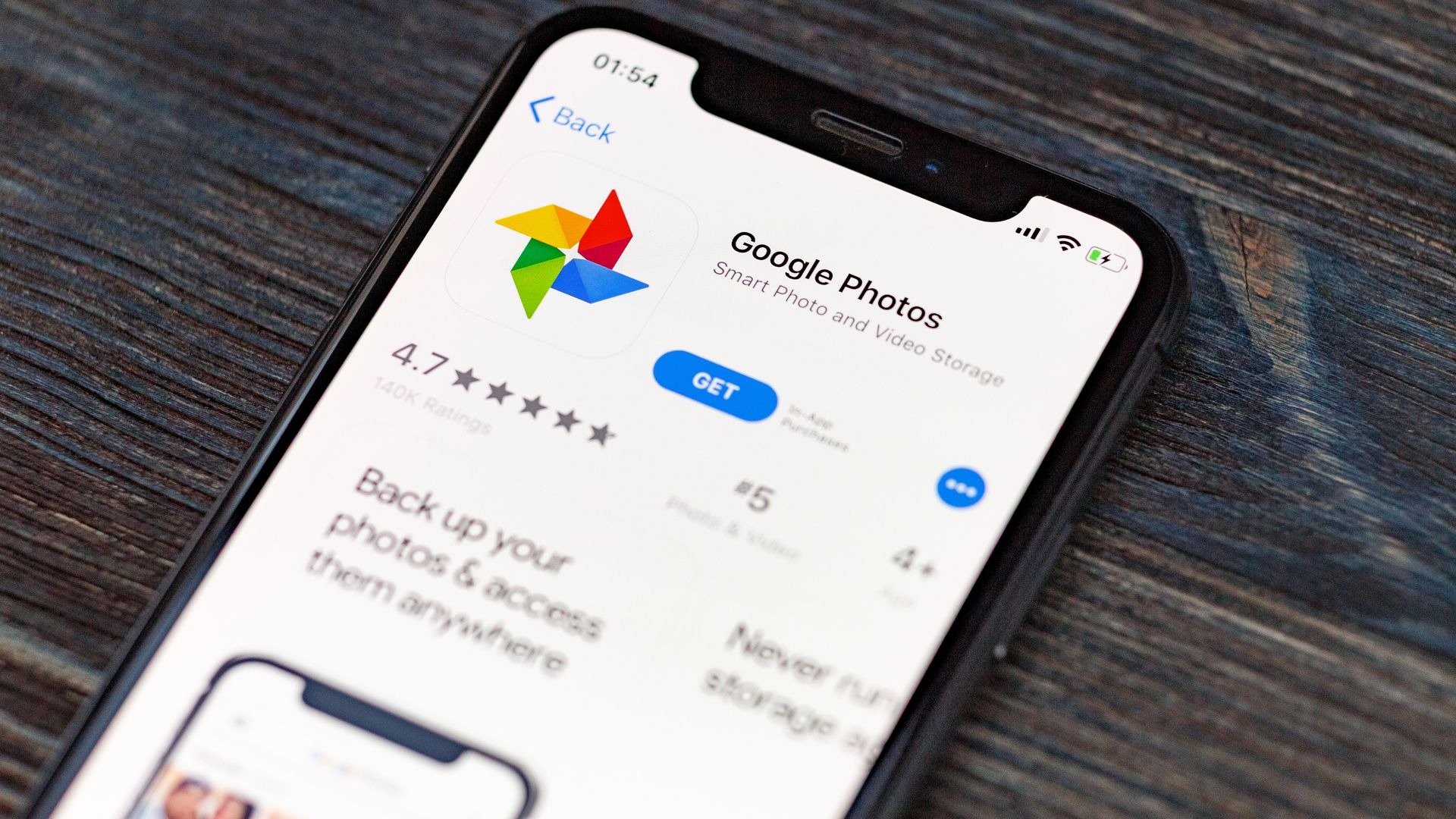
Google Photos is now attempting to automate this act of preservation. By integrating sophisticated generative AI tools directly into its mobile interface, the platform allows users to repair scratches, remove stains, and sharpen blurred details with minimal technical friction. It is an evolution of the smartphone from a mere capture device into a portable conservation lab, capable of synthesizing missing visual information to rebuild what has been lost to entropy.
This shift represents more than a convenience for casual users; it is a democratization of the archive. When the barriers to restoration are lowered, the survival of personal history is no longer tethered to the durability of physical media or the cost of professional labor. Instead, the algorithmic restoration of these images suggests a future where the decay of the physical record is merely a temporary state, easily corrected by the predictive power of machine learning.
With reporting from Exame Inovação.
Source · Exame Inovação