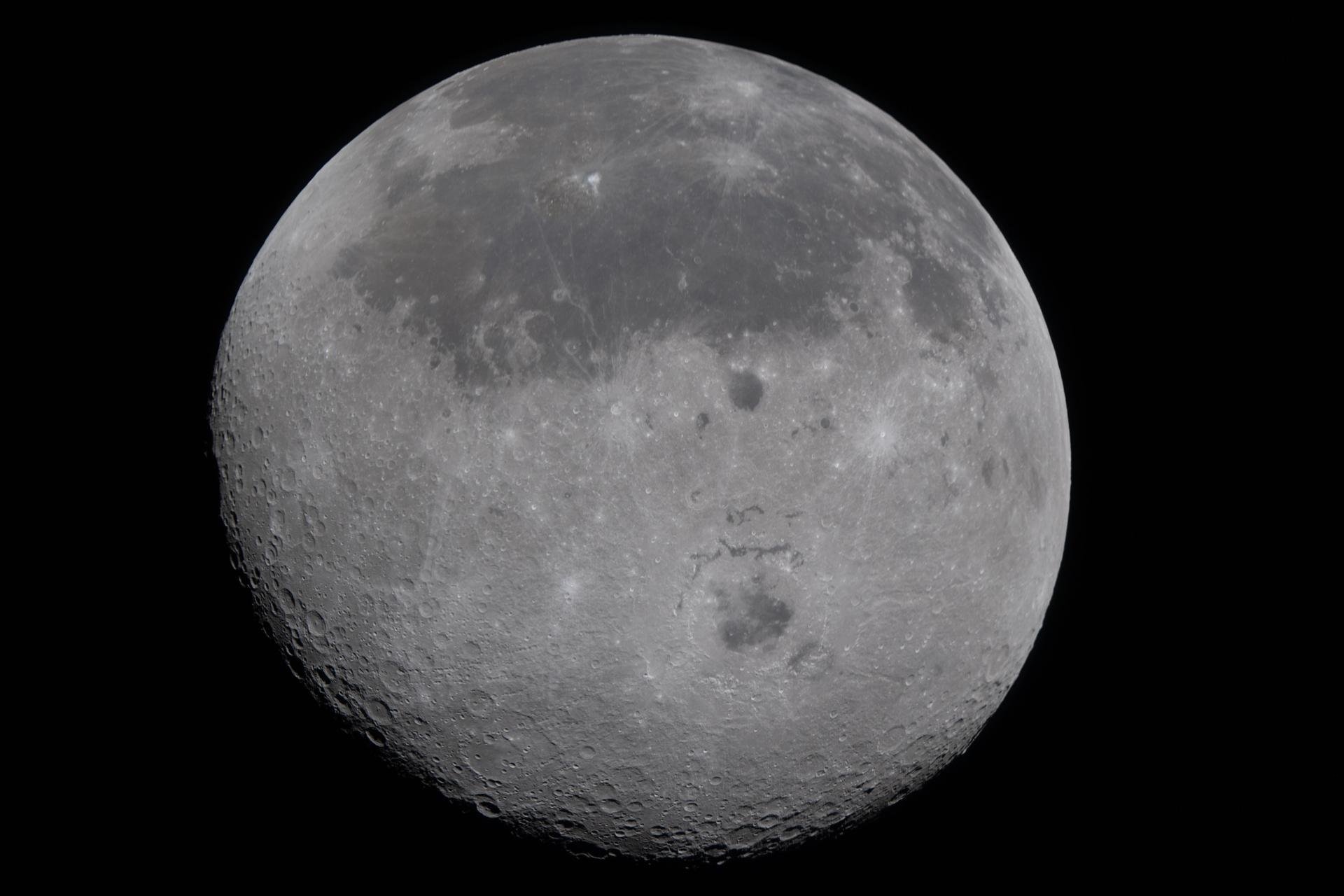
On April 6, from a vantage point 250,000 miles away, the Earth began to slide out of view. It was not a cosmic catastrophe, but a precise celestial occultation: the planet slowly dipping beneath the craggy horizon of the Moon. The moment was captured not by a bespoke scientific instrument, but through the lens of an iPhone pressed against the glass of a cramped docking hatch.
The image serves as a quiet testament to the democratization of high-fidelity optics. Where early lunar missions required specialized, bulky cameras to document the \"Blue Marble,\" modern astronauts now carry the same silicon and glass found in the pockets of billions. This convergence of consumer electronics and orbital mechanics offers a grounded perspective on the vastness of space, rendering the infinite slightly more familiar.
As the Earth \"disappeared\" behind the lunar limb, the footage captured a profound isolation. Through a window barely large enough to frame the device, the entirety of human history was reduced to a glowing blue crescent, eventually extinguished by the Moon’s silhouette. It is a reminder that while our reach into the solar system expands, our primary record of that journey is increasingly mediated by the tools of our daily lives.
With reporting from Exame Inovação.
Source · Exame Inovação