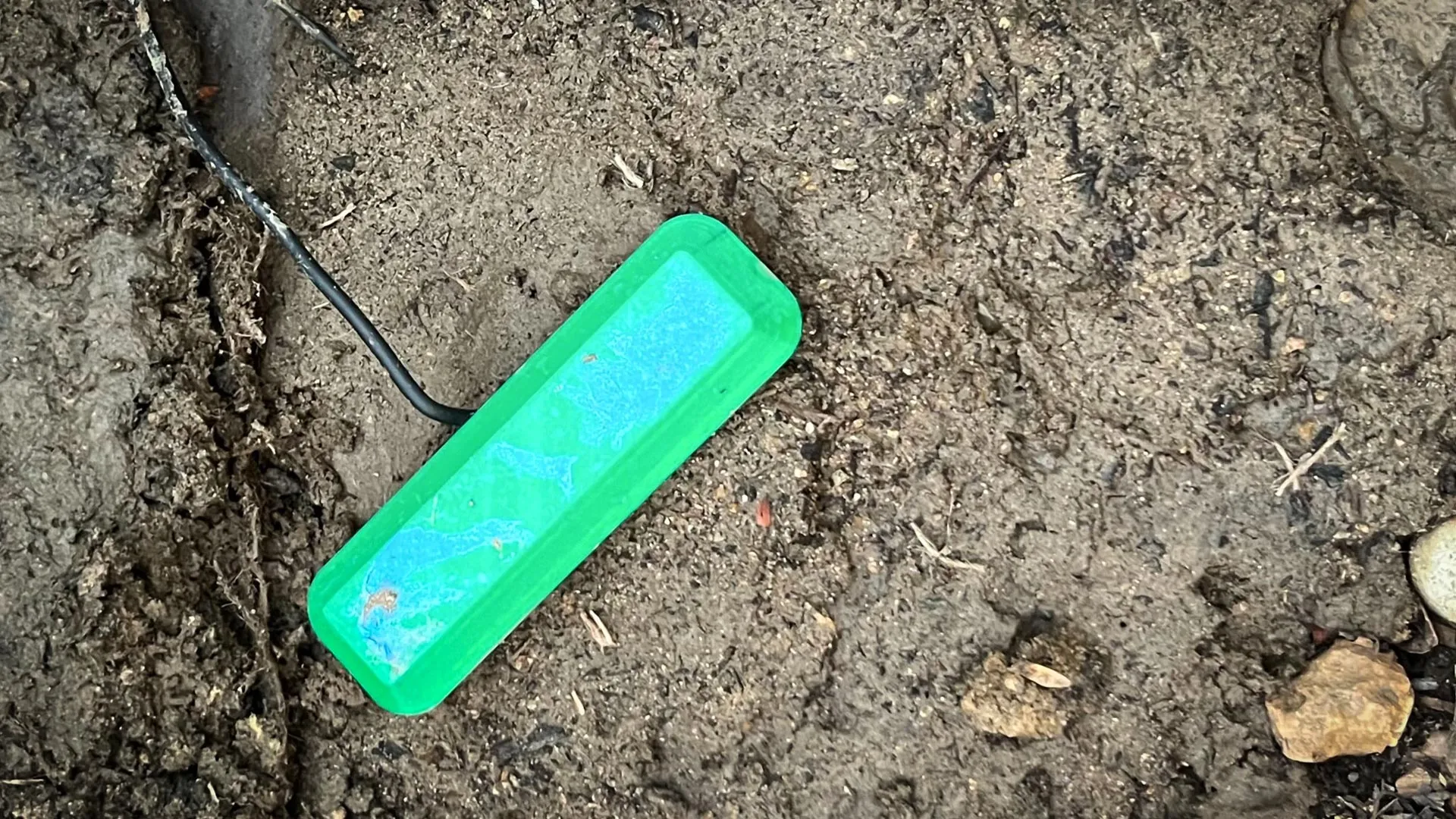
The quest for sustainable energy sources has just found an improbable ally: the earth itself. Researchers have developed a microbial fuel cell capable of harnessing electricity generated by microorganisms residing in the soil. This device, compact and resilient, converts the natural metabolism of these organisms into a continuous power source for electronic devices.
Unlike conventional batteries, which have a limited lifespan and contain heavy metals, the new cell operates autonomously beneath the surface. It overcomes geographical and climatic limitations, functioning efficiently in both arid soils and waterlogged terrains. In tests, the technology demonstrated superior durability compared to previous designs, remaining active even amidst drastic humidity variations.
The disruptive potential of this innovation lies in environmental monitoring and precision agriculture. Subterranean moisture or touch detection sensors can now operate without requiring battery replacements or the installation of solar panels — which are often unfeasible in areas covered by dense vegetation. This represents a significant step toward a cleaner, low-maintenance data infrastructure.
Source: Science Daily.
Source · Science Daily