The global energy market faced a sharp correction this weekend as West Texas Intermediate (WTI) crude prices climbed more than 7 percent. The spike follows a volatile sequence of maritime attacks involving both U.S. and Iranian forces, once again placing the Strait of Hormuz at the center of a high-stakes geopolitical standoff.
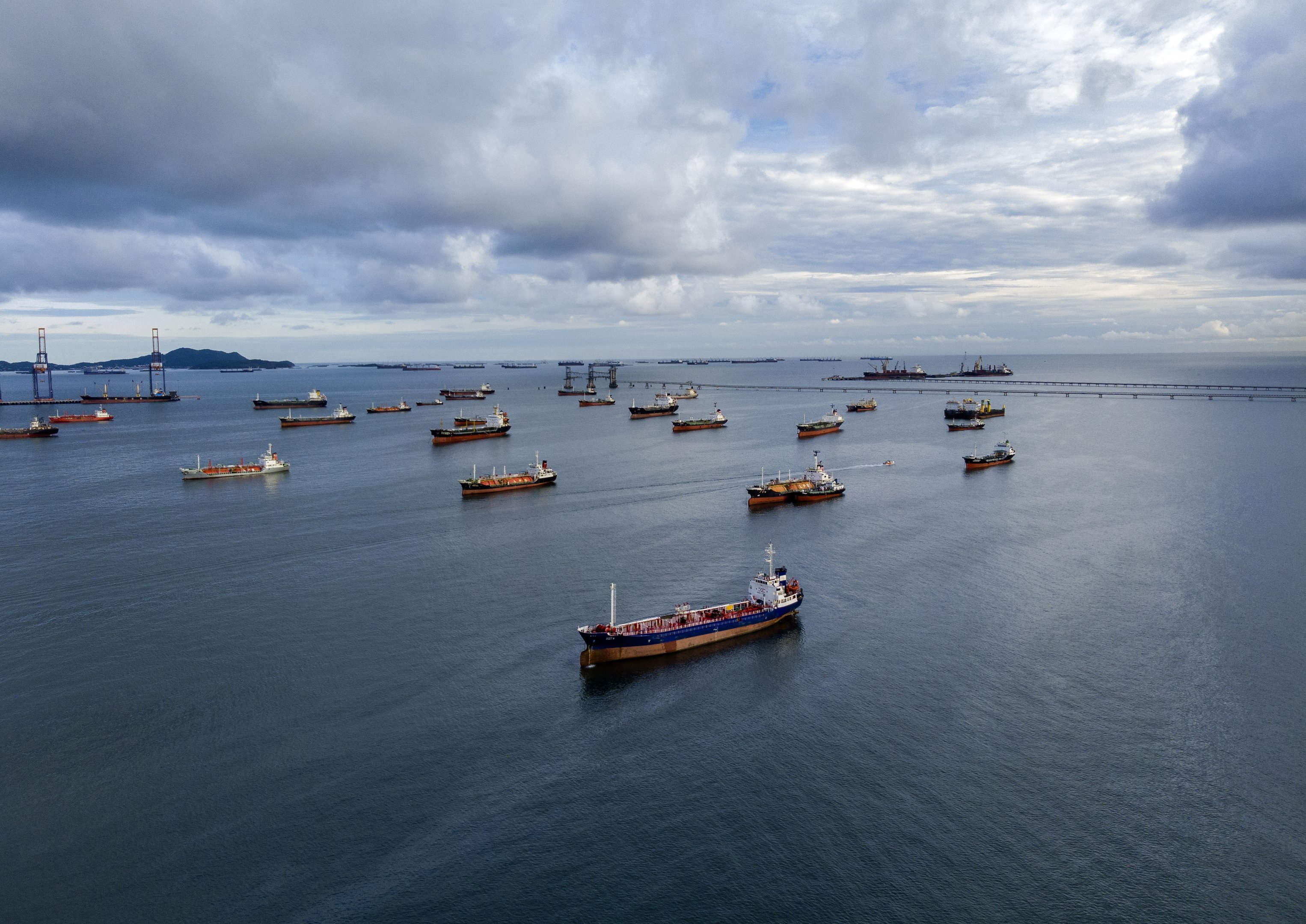
The incident underscores the persistent vulnerability of the world’s most critical maritime chokepoints. As commercial vessels became targets in the narrow passage, the specter of a broader conflict between Washington and Tehran moved from a simmering concern to an immediate market catalyst. For analysts, the disruption is a stark reminder that global economic stability remains deeply entwined with the security of a few miles of volatile water.
While the immediate impact is felt on trading floors, the long-term anxiety lies in the potential for sustained escalation. With both nations operating on the brink of open confrontation, the surge in oil prices serves as a crude but effective barometer for the fragility of the current international order.
With reporting from Exame Inovação.
Source · Exame Inovação