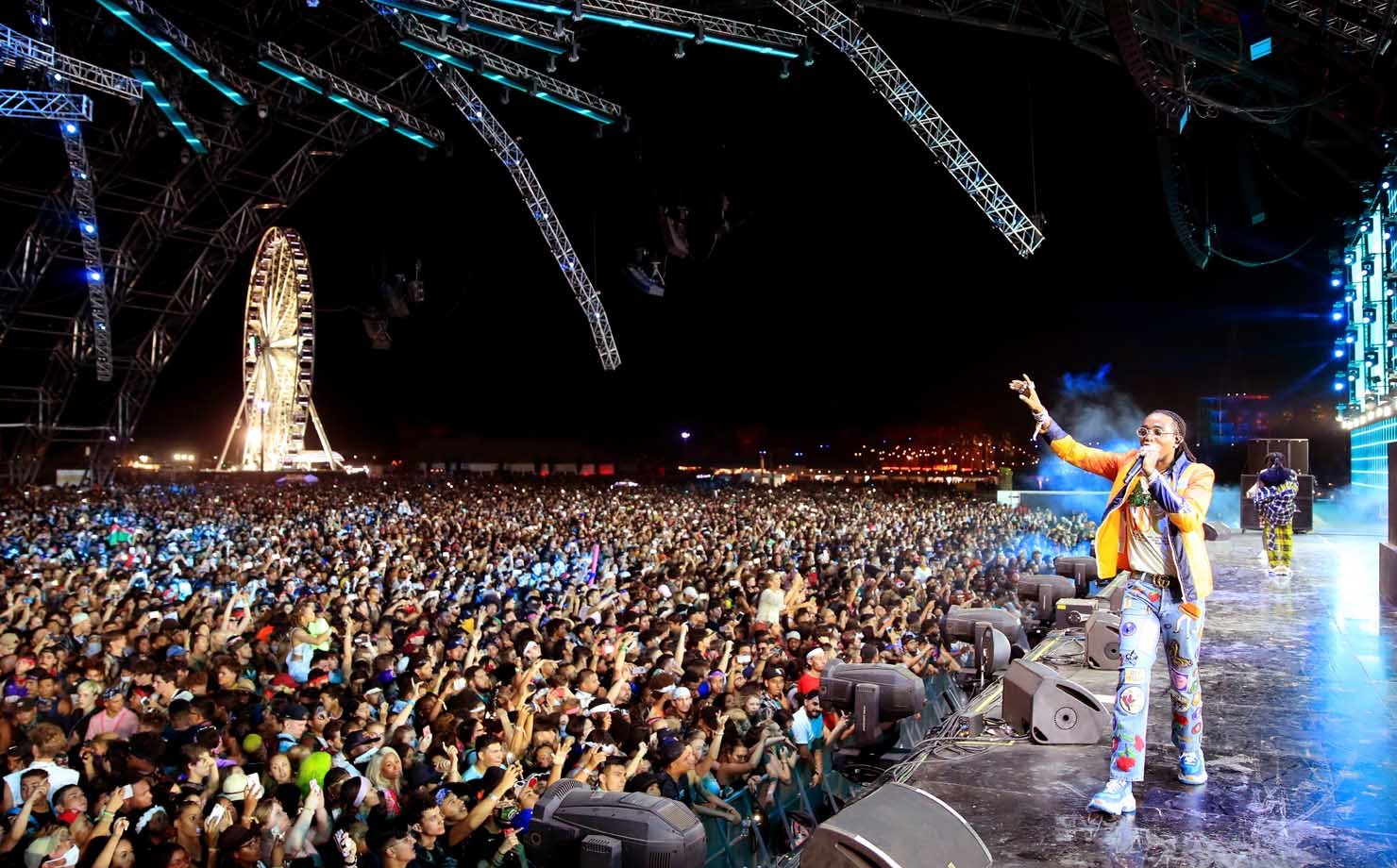
The desert dust has barely settled on another year of Coachella, an event that has evolved from a scrappy alternative rock gathering into a global cultural barometer for luxury brands and social media influencers. Yet, as the Indio, California, spectacle becomes increasingly synonymous with curated aesthetics, a veteran of a very different era is signaling a desire to disrupt the status quo. Fred Durst, the frontman of Limp Bizkit, has expressed interest in creating a festival that serves as a direct alternative to the current titan of the industry.
Durst’s ambition reflects a growing tension within the live music economy. While Coachella remains a commercial juggernaut, its dominance has created a vacuum for experiences that prioritize subculture over mass-market appeal. For Durst—a figure who defined the aggressive, nu-metal zeitgeist of the late 1990s—the move suggests a pivot back toward grit and genre-specific community, moving away from the "everything-for-everyone" model of the modern mega-festival.
The proposal arrives at a time when the festival circuit is grappling with rising costs and a perceived loss of identity. By positioning a new event against the Coachella archetype, Durst is tapping into a broader cultural fatigue with the hyper-polished, corporate-sponsored experience. Whether such a venture can achieve the scale of its predecessor remains to be seen, but the intent alone highlights a potential shift: the future of the festival may lie not in broader appeal, but in a return to the edges.
With reporting from Exame Inovação.
Source · Exame Inovação