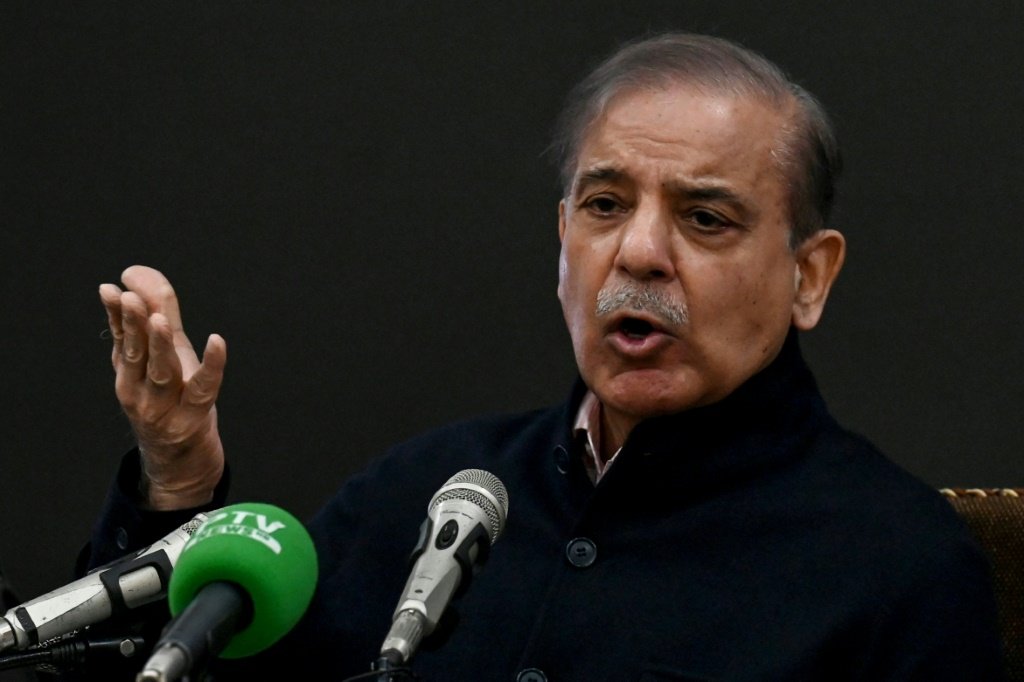
In a development underscoring the fragility of Middle Eastern stability, Pakistan's Prime Minister, Shehbaz Sharif, and Iran's newly inaugurated President, Masoud Pezeshkian, engaged in direct dialogue this Sunday regarding the deteriorating security situation in the Gulf. This conversation transpires amidst acute tensions, where regional equilibrium appears to hinge on high-stakes diplomacy, capable of impacting everything from trade routes to global energy security.
For Pakistan, this interlocution is not merely a neighborly formality but an endeavor to consolidate its position as a strategic mediator. Islamabad has sought to balance its relationships on a complex geopolitical board, where Gulf stability is paramount for the viability of economic integration projects and the containment of crises that could spill over beyond Arab borders.
While specific details of de-escalation proposals were not disclosed, the reinforcement of diplomatic channels between Tehran and Islamabad signals a mutual concern for damage containment. In a geopolitical landscape where technology and defense redefine modern conflicts, the resumption of direct dialogue emerges as a critical recourse to avert a conflagration of unpredictable proportions in the region.
With information from Exame Inovação.
Source · Exame Inovação