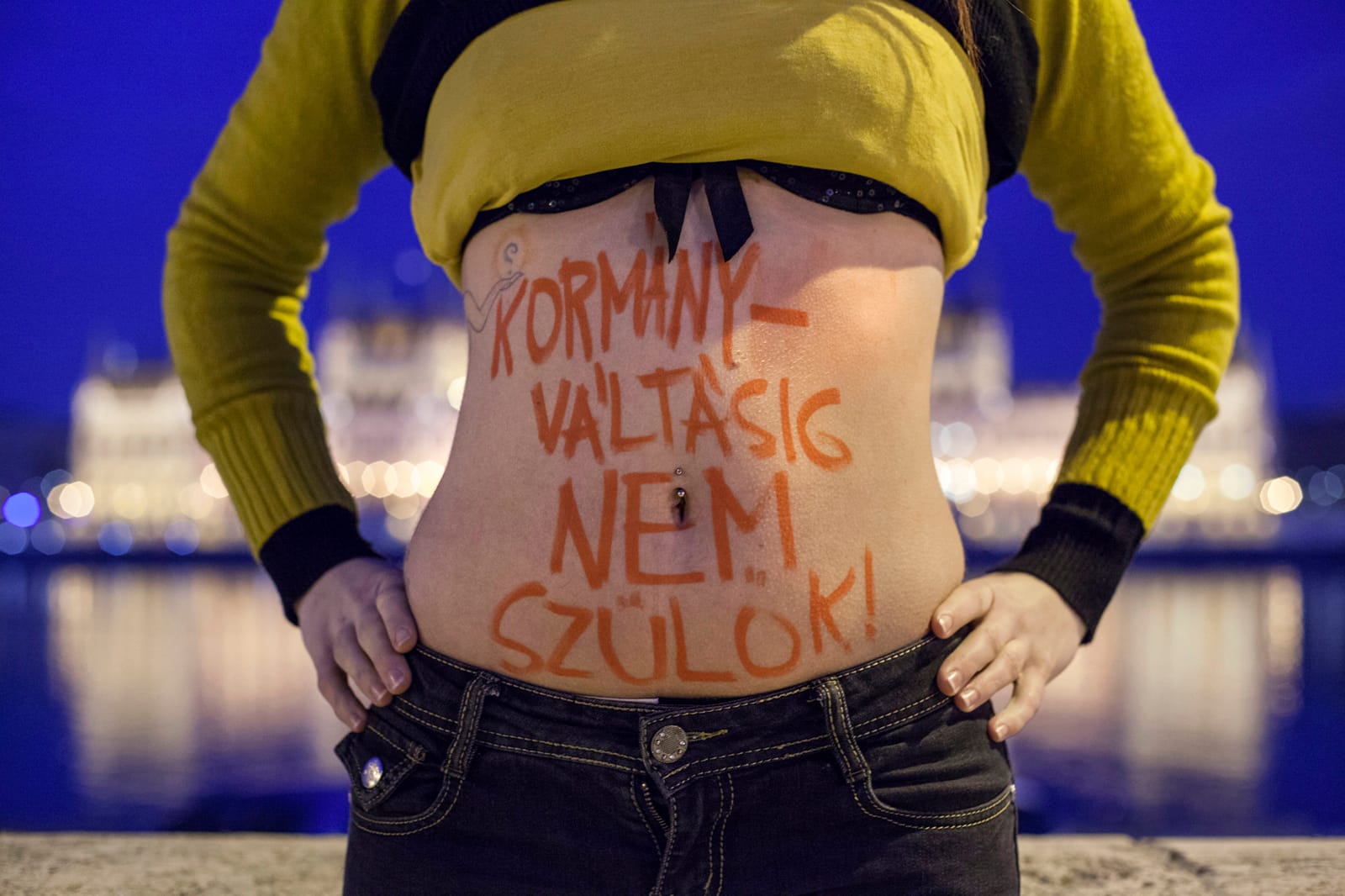
For sixteen years, the Hungarian art world has functioned under the shadow of the \"System of National Cooperation\" (NER), a framework established by Viktor Orbán to align the nation’s cultural output with a specific ethno-nationalist and conservative Christian agenda. This period of \"Orbanization\" saw the systematic instrumentalization of museums and galleries, turning once-independent spaces into conduits for state ideology. Following the recent parliamentary victory of the opposition party Tisza, Budapest has seen a rare outpouring of public optimism—a sense that the suffocating grip on critical thinking may finally be loosening.
The scale of the task ahead is comparable to the transition Hungary faced in 1989. For nearly two decades, the Fidesz-KDNP coalition used its supermajority to reshape the institutional ecosystem, replacing artistic autonomy with a rigid social contract designed to unify the nation through state-sanctioned \"reforms.\" This centralized control didn't just limit funding; it redefined the very purpose of art, prioritizing the broadcast of regime values over aesthetic or intellectual exploration.
As Hungary enters this watershed moment, the international community is watching closely. For many observers, the country serves as a cautionary tale of how quickly democratic institutions can be repurposed to serve authoritarian ends. Yet, the current shift also offers a blueprint for recovery, suggesting that even deeply entrenched systems of ideological control can be dismantled when the public demand for intellectual and artistic freedom reaches a breaking point.
With reporting from Hyperallergic.
Source · Hyperallergic