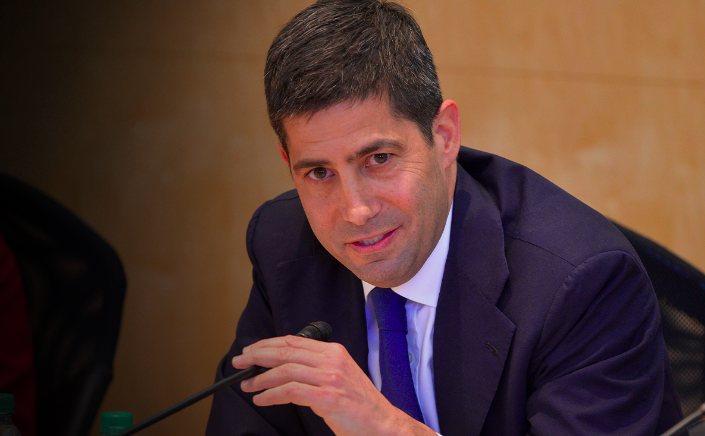
Kevin Warsh, recently tapped by President Donald Trump to lead the Federal Reserve, has signaled that the central bank’s existing playbook may no longer be fit for purpose. In recent remarks, Warsh argued that the Fed requires a "new framework" to effectively combat the persistent inflation that has characterized the post-pandemic economy.
While Warsh stopped short of detailing the specific mechanics of this proposed overhaul, his comments suggest a looming departure from the institutional status quo. For years, the Fed has operated under a strategy of "flexible average inflation targeting," a policy designed to allow inflation to run slightly above its 2% target to compensate for periods of underperformance. Warsh’s call for a new architecture implies that these current models may be failing to capture the complexities of modern price pressures.
The nomination comes at a delicate moment for the American economy, as the Fed balances the need to cool inflation without triggering a significant downturn. If confirmed, Warsh would oversee a central bank tasked with redefining its own mandate in an era of deglobalization and shifting labor dynamics. His focus on structural reform indicates that the next chapter of U.S. monetary policy will be defined less by incremental adjustments and more by a fundamental rethinking of how the Fed interacts with the market.
With reporting from Exame Inovação.
Source · Exame Inovação