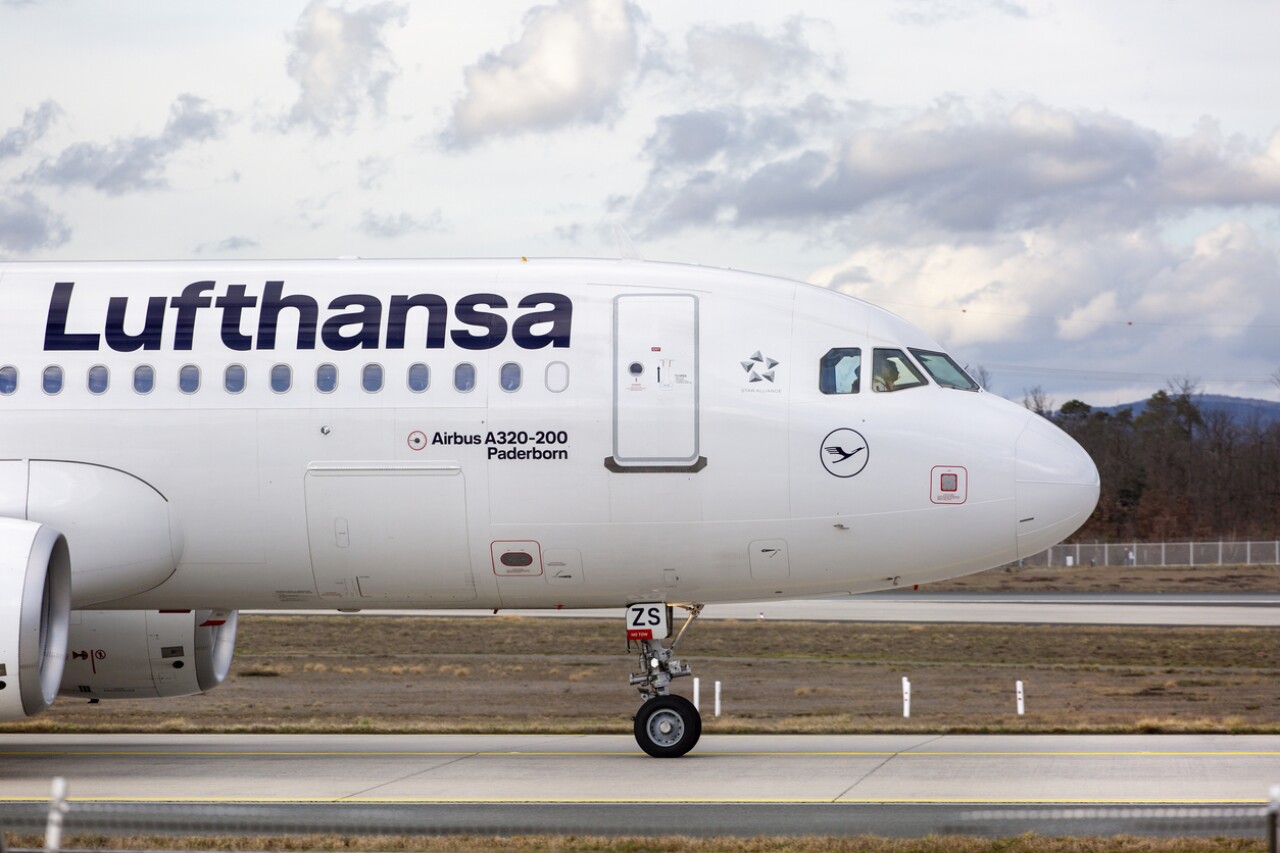
Lufthansa Group is recalibrating its network to absorb the shocks of a volatile global energy market. Faced with surging jet fuel prices—exacerbated by ongoing conflict in the Middle East—the German carrier has begun a strategic retreat from certain short-haul segments while raising fares on lucrative transatlantic routes, including those serving Mexico.
The operational shift is most visible in the dismantling of Lufthansa CityLine. The airline recently confirmed that 27 aircraft from the regional subsidiary have been permanently withdrawn from the flight schedule. This contraction is part of a broader effort to mitigate "exponentially" rising costs, according to Frank Naeve, the group’s vice president of global sales and distribution. For passengers, this efficiency drive translates to higher ticket prices as the carrier attempts to protect its margins in an increasingly expensive operating environment.
Looking further ahead, the consolidation appears to be a long-term structural adjustment rather than a temporary fix. Lufthansa has already signaled further capacity cuts for the 2026/27 winter season, including the retirement of five additional aircraft from the main fleet. While the airline maintains confidence in its fuel procurement strategies, the current pivot reflects a broader industry reality: the era of expansive regional connectivity is facing a reckoning under the weight of geopolitical risk and energy instability.
With reporting from Expansión MX.
Source · Expansión MX