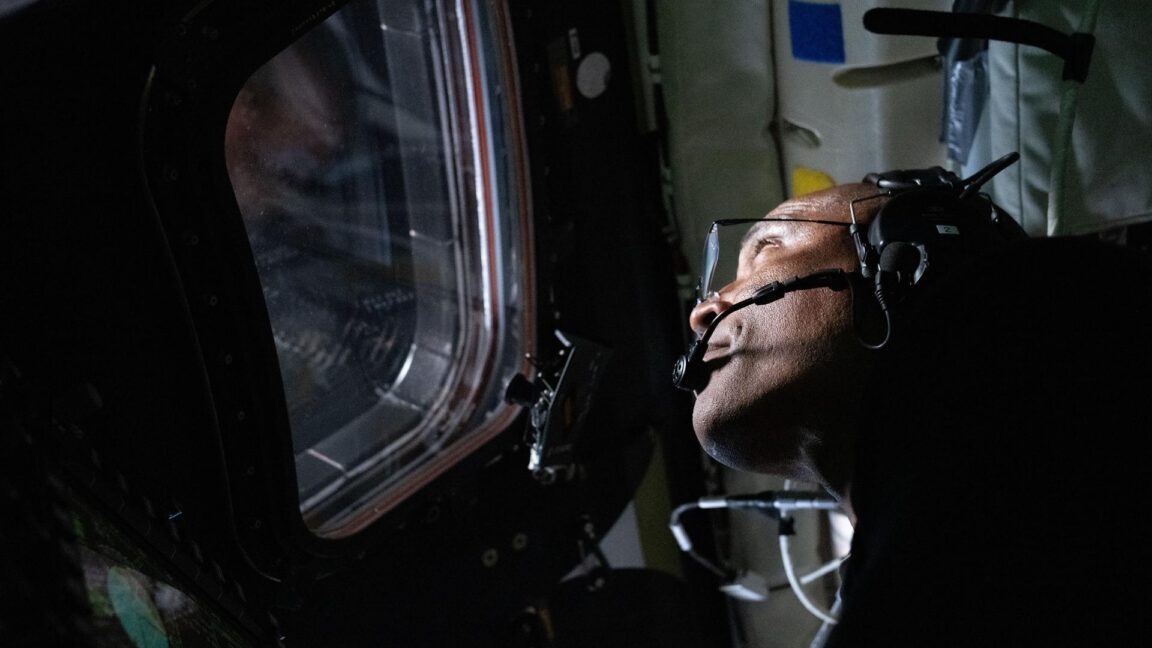
The path back to the lunar vicinity is paved with data, and for the crew of Artemis 2, that data is finally beginning to resolve into a picture of readiness. Reid Wiseman, Victor Glover, Christina Koch, and Jeremy Hansen—the four astronauts slated to become the first humans to orbit the moon in over half a century—expressed a measured, technical confidence in the Orion spacecraft this week. Their endorsement follows an exhaustive review of the hardware’s performance during its uncrewed predecessor mission and subsequent ground simulations.
While the engineering team at NASA has spent months dissecting the nuances of Orion’s heat shield erosion and power system resilience, the crew’s perspective is inherently more pragmatic. For the astronauts, the spacecraft is less a collection of subsystems and more a life-support envelope that must function flawlessly in the high-radiation environment of deep space. Their public praise suggests that the refinements made in the wake of Artemis 1 have met the rigorous safety thresholds required for crewed flight.
This vote of confidence marks a critical psychological milestone for the Artemis program. As NASA shifts from the theoretical to the operational, the transition depends heavily on the symbiosis between the crew and their vessel. With the hardware now largely validated by those who will trust their lives to it, the focus moves toward the final integration phases for a mission that will redefine the boundaries of human presence beyond Earth’s orbit.
With reporting from SpaceNews.
Source · SpaceNews