The Spanish real estate market is currently defined by a widening gap between robust demand and a stagnant supply. This structural imbalance is not a recent phenomenon; it is a long-standing tension that has steadily driven prices upward and rendered housing increasingly inaccessible for a significant portion of the population.
In response, Spanish administrative bodies are shifting their focus toward the regulatory bottlenecks that prevent new construction. The primary hurdle is the scarcity of *suelo finalista*—land that has cleared all legal and administrative hurdles and is ready for immediate development. Currently, the journey from raw land to a buildable lot is often stalled by layers of bureaucratic inertia, creating a supply chain that cannot keep pace with urban growth.
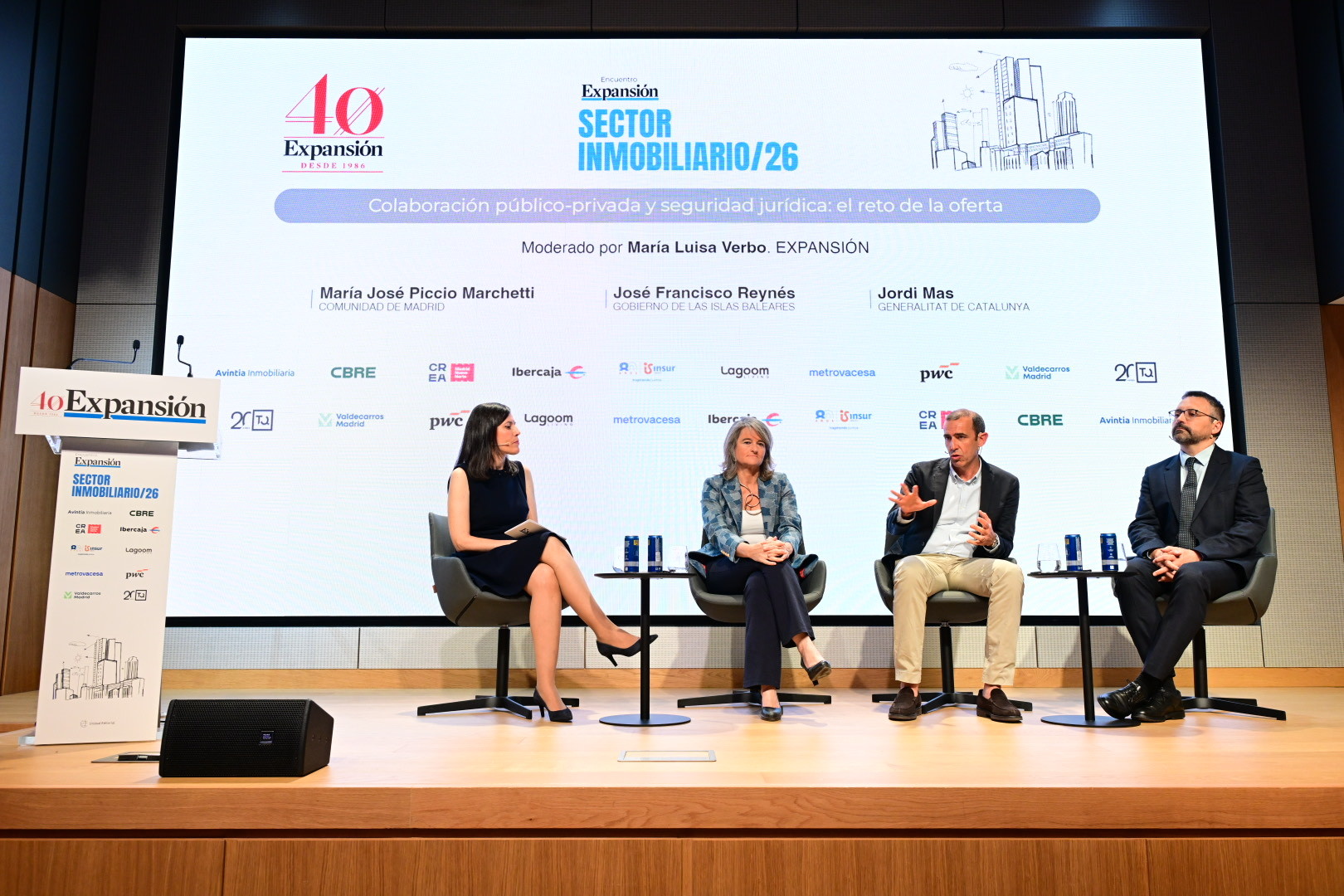
To break this deadlock, authorities are looking toward a more integrated model of public-private collaboration. The strategy involves streamlining the permitting process and incentivizing private developers to participate in large-scale residential projects. By treating the housing crisis as a systemic failure of administrative speed rather than a simple lack of physical space, Spain hopes to finally stabilize its volatile property market.
With reporting from *Expansión*.
Source · Expansión — España