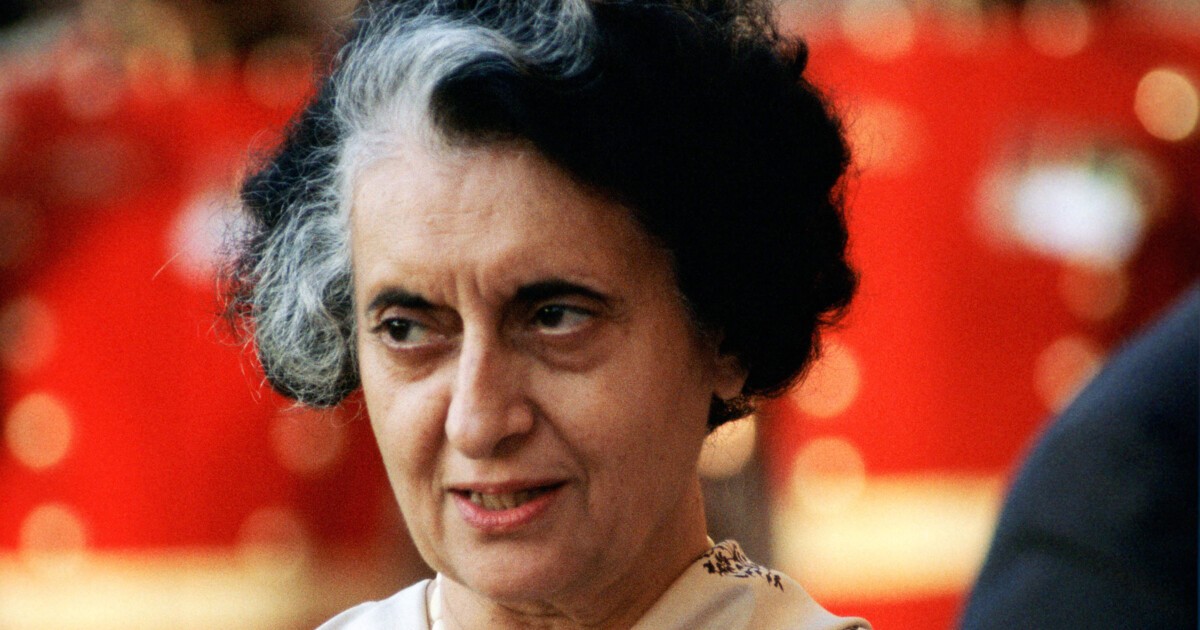
In 1966, the elders of India’s Congress Party believed they had engineered a masterstroke of political preservation. By elevating Indira Gandhi to the position of prime minister, the establishment sought to install a "pliable cipher"—a figurehead who would provide the legitimacy of the Nehru name while remaining subservient to the party’s backroom power brokers. It was a gamble based on the assumption that Gandhi lacked the steel for independent rule.
The miscalculation was total. Within a few years, Gandhi had not only stepped out from the shadow of the party’s old guard but had systematically dismantled their influence. The very men who had facilitated her rise found themselves "defenestrated," victims of a politician who understood that being underestimated is often a leader’s most potent strategic advantage. She transformed the Congress from a consensus-based coalition into a vehicle for personal authority.
A decade after her appointment, the transformation was complete. The "cipher" had become the state. By the time she declared a state of emergency in 1975—effectively mounting a coup from within the system—the slogan "Indira is India" had ceased to be mere hyperbole and had become a statement of political reality. Her career serves as a stark study in how the machinery of democracy can be repurposed by those who are seen, until it is too late, as its most harmless stewards.
With reporting from London Review of Books.
Source · London Review of Books