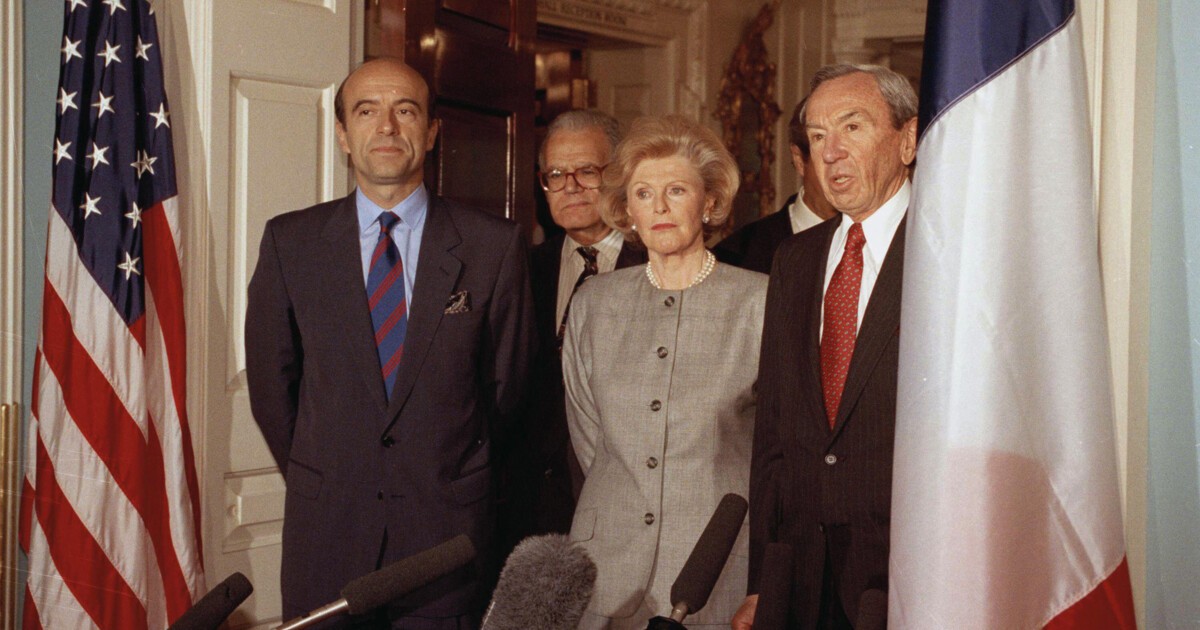
Pamela Harriman’s career in the upper echelons of global influence was defined by a specific, almost architectural relationship with power. Unlike the ideologues of her era, Harriman was less interested in what power could achieve for the public and more captivated by the gravity of power itself. Her presence in the political firmament was a study in proximity; she gravitated toward the center of the room, regardless of who was holding the floor.
This fluidity allowed her to transcend the rigid boundaries of partisan politics. Observers noted that her alignment with the Democratic establishment was more a matter of circumstance than fixed conviction. Had her personal life led her toward the Republican camp, she would have likely adopted their platform with the same seamless elegance. Her politics were not a foundation, but a garment—chosen for its fit and the status it conferred.
Harriman operated through a system of social osmosis, acquiring stature from the men she consorted with and reflecting it back with refined intensity. This was not merely a survival mechanism dictated by the constraints of her time, but a deliberate and personal style of operation. She mastered the art of the conduit, proving that in the high-stakes world of international diplomacy, the most enduring influence often belongs to those who view power as an aesthetic rather than an instrument.
With reporting from London Review of Books.
Source · London Review of Books