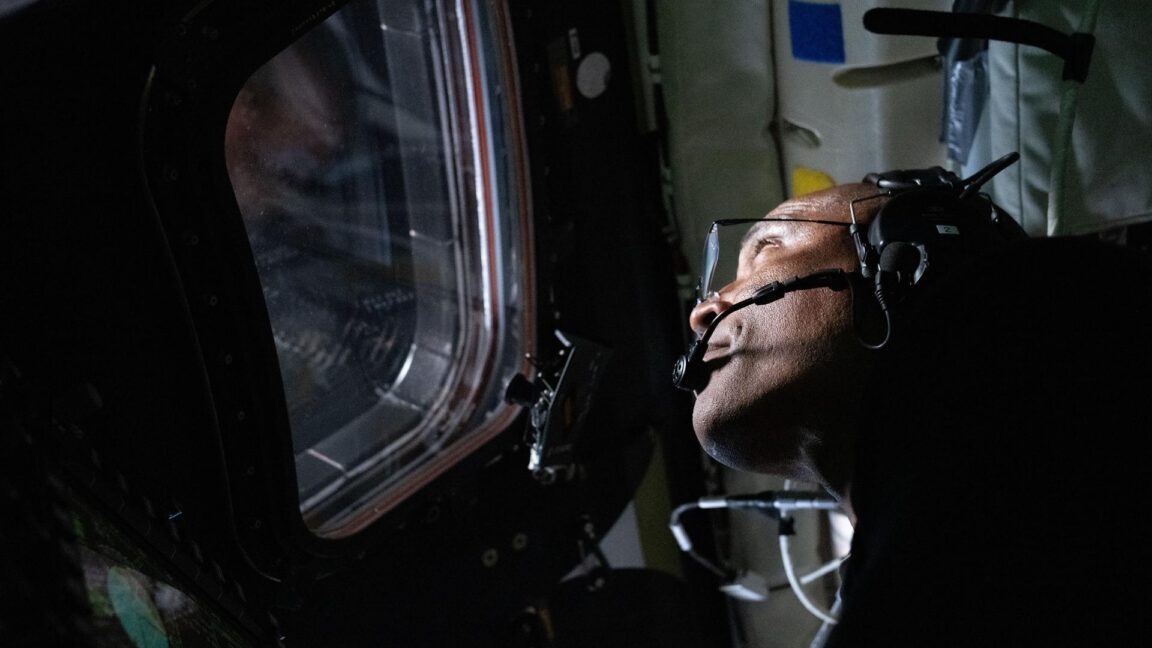
In *Thus Spoke Zarathustra*, Friedrich Nietzsche posited that solitude is not merely a state of being alone, but a fundamental stage in the development of the "free spirit." By retreating from the "applause"—the constant hum of social validation and collective influence—the individual is forced to confront their internal landscape without the comfort of external mirrors. This silence acts as a rupture, stripping away the values imposed by society to reveal the scaffolding of an authentic identity.
This philosophical isolation serves as a laboratory for self-overcoming. According to contemporary analyses of Nietzsche’s work, such as those by Vasconcelos da Piedade Souza, solitude functions as a formative element of the human condition. It is within this vacuum of distraction that the mind begins to recognize its own patterns, emotions, and hidden fragilities. Without the performance required by social interaction, the individual is left only with their own values to navigate.
Ultimately, the Nietzschean perspective suggests that the absence of external recognition is the only environment where genuine transformation can occur. By removing the pressure to perform for an audience, solitude enables a confrontation with the self that is both rigorous and restorative. It is not an act of withdrawal from life, but an essential preparation for a more profound engagement with it.
With reporting from Olhar Digital.
Source · Olhar Digital