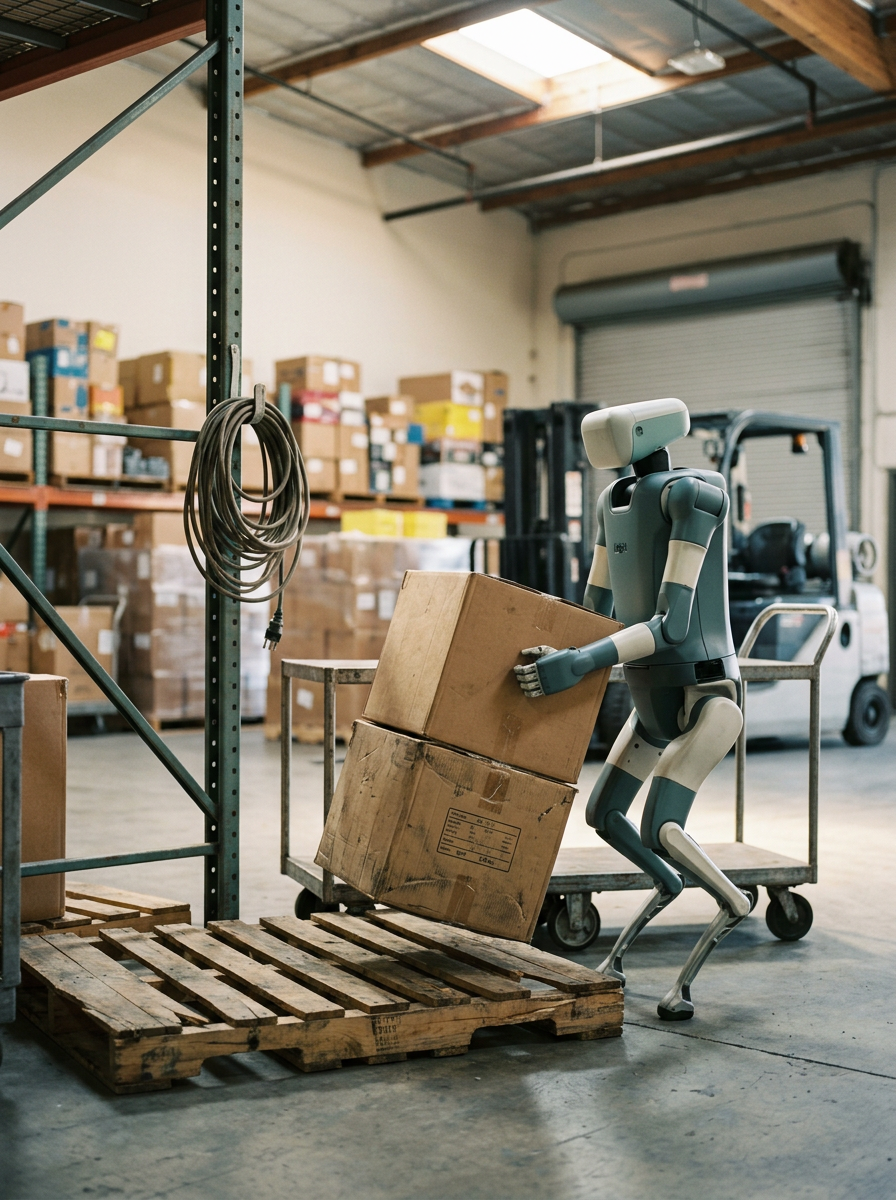
The transition of artificial intelligence from a laboratory curiosity to a direct economic catalyst has occurred with disorienting speed. For millions of workers, the discourse has shifted from the theoretical potential of automation to the immediate reality of job displacement. This anxiety is punctuated by a wave of high-profile tech layoffs where executives have explicitly cited AI integration as a primary driver, turning abstract progress into a tangible personal risk.
This technological disruption does not exist in a vacuum. It intersects with a volatile global landscape—one where geopolitical tensions in the Middle East fluctuate gasoline prices and environmental shifts threaten the traditional foundations of local economies. The cumulative effect is a persistent, quiet erosion of the "known." We increasingly wake up to a world where the economic and technological ground has shifted while we slept, leaving many to wonder how much more volatility the modern social contract can absorb.
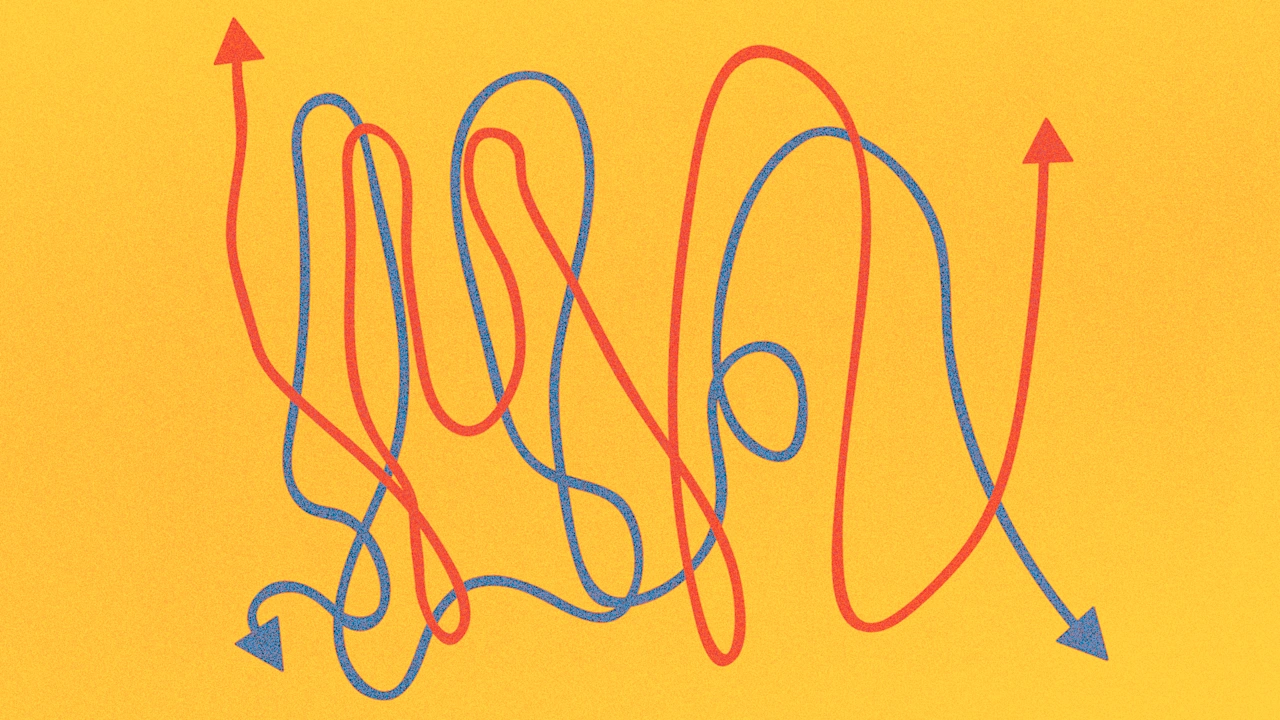
Navigating this era requires a psychological shift similar to the one described by those living with chronic, incurable conditions. In such a state, the challenge is not to "fix" the situation, but to find a way to function within a permanent state of unpredictability. We are moving away from an era of five-year plans and toward one defined by real-time adaptation, where the primary objective is no longer to solve for certainty, but to build a life that remains resilient in its absence.
With reporting from Fast Company.
Source · Fast Company