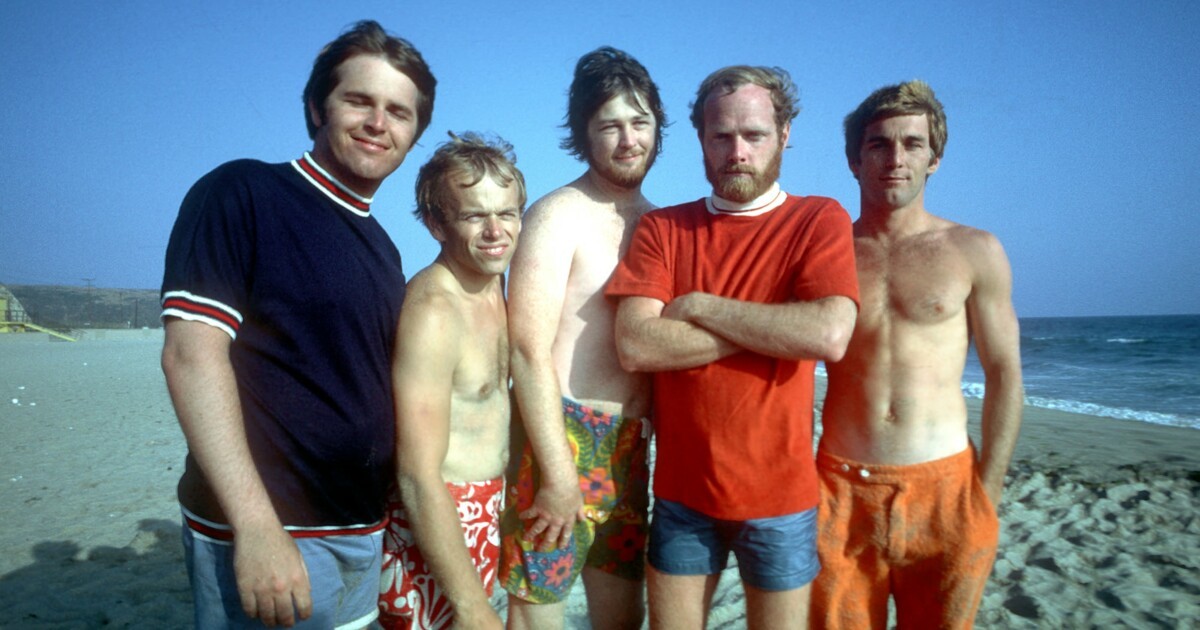
The Beach Boys have long since ceased to be merely a band; they have become a vast, self-perpetuating archive. Much like the Beatles, their cultural footprint is now measured not just in radio play but in the sheer density of the literature and high-fidelity box sets that surround them. They exist as a collection of narratives—a sprawling history that feels less like a discography and more like a curated museum of mid-century American aspiration and its subsequent collapse.
This transition from pop act to historical artifact is driven by the stark polarities of their story. It is a chronicle populated by unlikely heroes and genuine villains, moving restlessly between the blinding optimism of the California sun and the claustrophobic depths of psychological despair. The obsession with their "lost" tapes and alternate takes suggests a collective desire to find a hidden truth within the harmonies, as if the right sequence of notes could finally reconcile the band’s internal trauma.
Ultimately, the Beach Boys represent a peculiar kind of immortality through documentation. As the living members age and the original era recedes, the archive expands to fill the void. We are left with a legacy that is as much about the process of its own preservation as it is about the music—a digital and physical cornucopia that ensures the "sound" remains, even as the people behind it fade into the myths they helped create.
With reporting from London Review of Books.
Source · London Review of Books