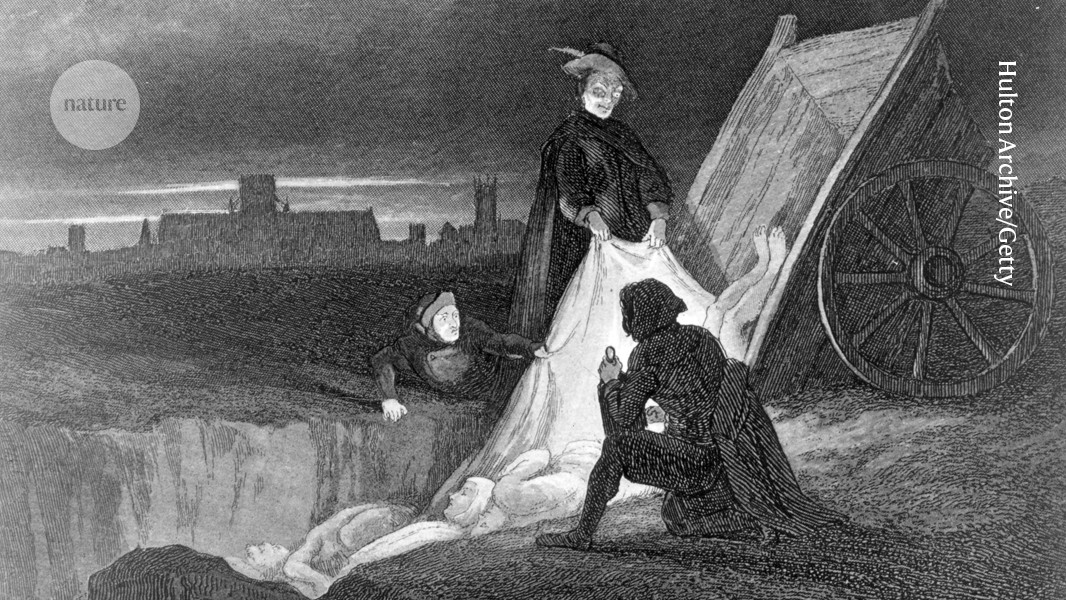
The history of pandemics is often told through the lens of statistics and sweeping geopolitical shifts, but the true record of a crisis is frequently etched into the bone. A recent analysis of a seventeenth-century burial site in Switzerland offers a stark reminder that even universal threats like the plague were experienced unevenly. The findings suggest that the biological impact of the disease was inextricably linked to the socioeconomic status of its victims.
Researchers examining the remains found that the majority of those interred had died before the age of 20. More telling, however, was the physical evidence of their lives before the infection took hold. The skeletal remains showed clear signs of strenuous manual labor, indicating that these individuals were part of a working class whose bodies were taxed by repetitive, heavy toil long before they were exposed to the pathogen.
This bioarchaeological evidence underscores a grim historical reality: the plague did not strike at random. Instead, it followed the existing fault lines of society. For the young laborers of seventeenth-century Switzerland, the combination of physical exhaustion and precarious living conditions likely created a physiological vulnerability that the plague exploited with devastating efficiency.
With reporting from *Nature News*.
Source · Nature News