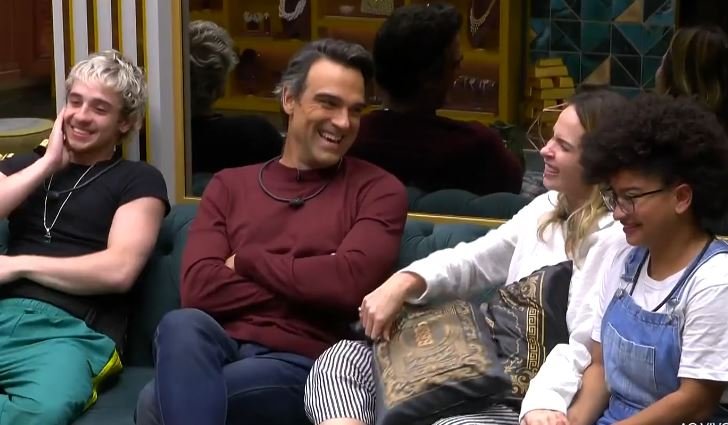
The modern reality television contestant operates in two theaters simultaneously: the physical confinement of the house and the digital expanse of the social web. In the current season of *Big Brother Brasil* (BBB 26), the traditional metrics of popularity—audience cheers and voting blocks—have been augmented, if not replaced, by the real-time data of Instagram follower counts. This digital tally serves as a volatile thermometer, measuring how effectively a participant translates their screen time into lasting social capital.
For contestants like Ana Paula, who currently leads the pack in digital reach, the show functions less as a competition for a cash prize and more as a high-stakes incubator for personal branding. The data reveals a clear divide between those who entered the house with established platforms and those who have successfully engineered a "breakout" moment. In this environment, every argument or alliance is immediately quantified by the algorithm, offering a granular look at public sentiment that was impossible in the show’s early years.
Ultimately, the "game" now extends far beyond the walls of the production studio. The shift suggests that the true victory in contemporary reality TV isn’t necessarily being the last person standing, but rather exiting the house with a large enough digital audience to sustain a career in the attention economy. For the viewers, the follow button has become the most direct way to participate in the narrative, turning the act of watching into an act of market valuation.
With reporting from Exame Inovação.
Source · Exame Inovação