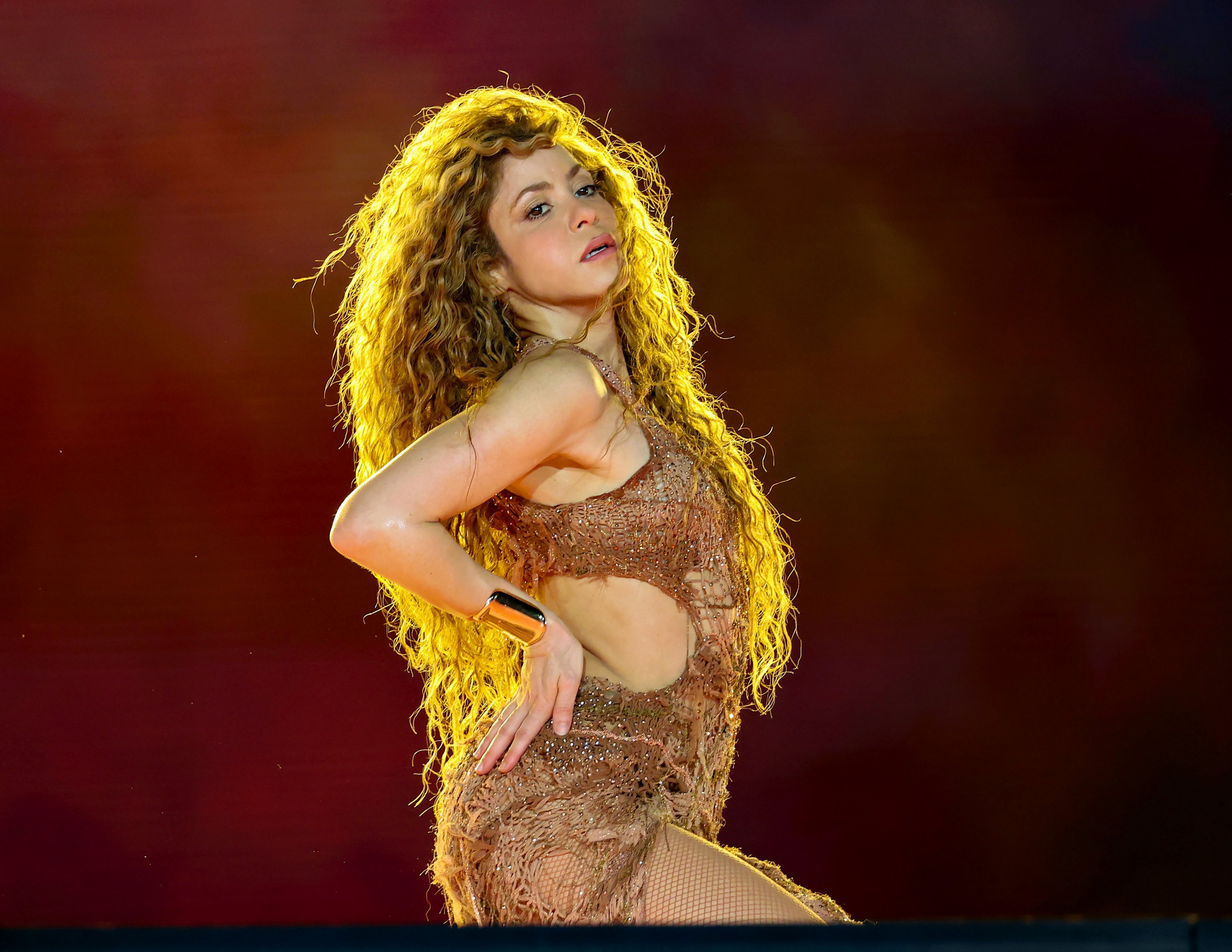
The impending arrival of Shakira on Copacabana Beach for a free performance is doing more than drawing crowds; it is activating the intricate, informal supply chains of Rio de Janeiro. As part of the “Todo Mundo no Rio” event, the concert follows a tradition of mega-events on the sand that serve as massive, if temporary, economic engines for the city’s service and retail sectors.
In Saara, the sprawling central commercial hub known for its labyrinthine streets and high-volume trade, the shift is already visible. Merchants have pivoted their production to meet the anticipated demand, flooding the market with everything from screen-printed T-shirts and hats to commemorative bags and glassware. This micro-economy of fandom often serves as a leading indicator of the city’s broader tourism windfalls.
While the concert itself is free to the public, the logistical and commercial footprint of such an event is substantial. For Rio, these spectacles are a tested strategy for urban vitality, leveraging the city's natural geography to stimulate local manufacturing and informal commerce. In the narrow corridors of Saara, the "Shakira effect" is simply the latest chapter in Rio’s long-standing relationship between pop culture and the street-level economy.
With reporting from Exame Inovação.
Source · Exame Inovação