The fundamental engine of a tropical cyclone is the exchange of thermal energy between the ocean’s surface and the atmosphere. When these storms encounter \"marine heatwaves\"—localized patches of abnormally warm water—they can undergo a process of rapid intensification. A new study published in *Science Advances* suggests that these \"supercharged\" storms are significantly more destructive than previously understood, resulting in economic losses that are nearly double those of standard cyclones.
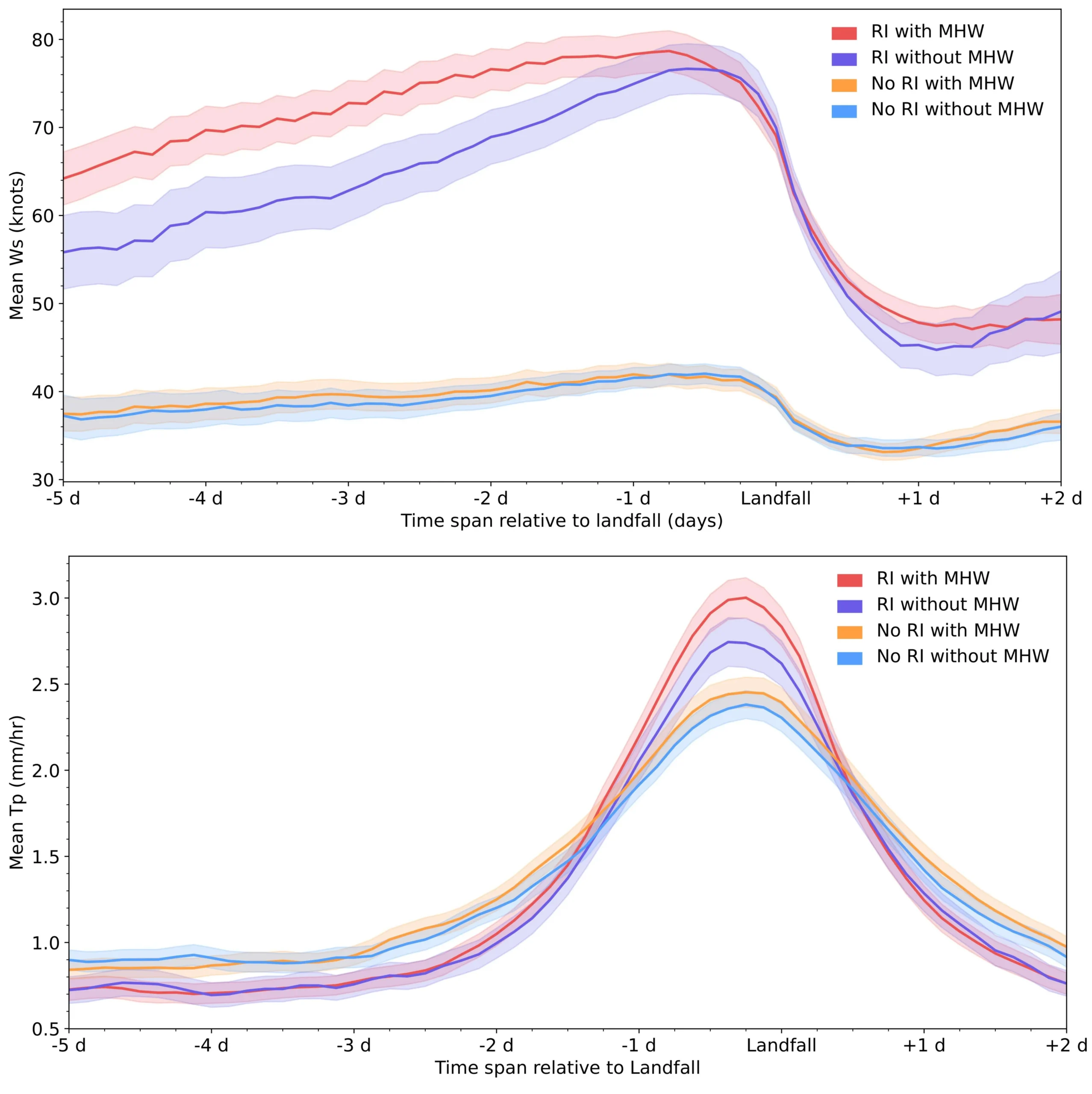
The research analyzed nearly 800 tropical cyclones globally between 1981 and 2023. Even when accounting for increased coastal development, the study found that storms passing near marine heatwaves produced 93% greater economic losses. These systems are characterized by higher maximum wind speeds and more intense rainfall, which together exert a compounding pressure on infrastructure and local economies that traditional disaster models often fail to capture.
As the frequency of marine heatwaves is projected to increase in a warming climate, the findings highlight a critical gap in our preparedness. Experts suggest that the interaction between these ocean temperature anomalies and storm behavior must become a central pillar of climate adaptation strategies. Moving forward, the ability to predict these sudden surges in intensity will be vital for the economic survival of coastal regions worldwide.
With reporting from Carbon Brief.
Source · Carbon Brief