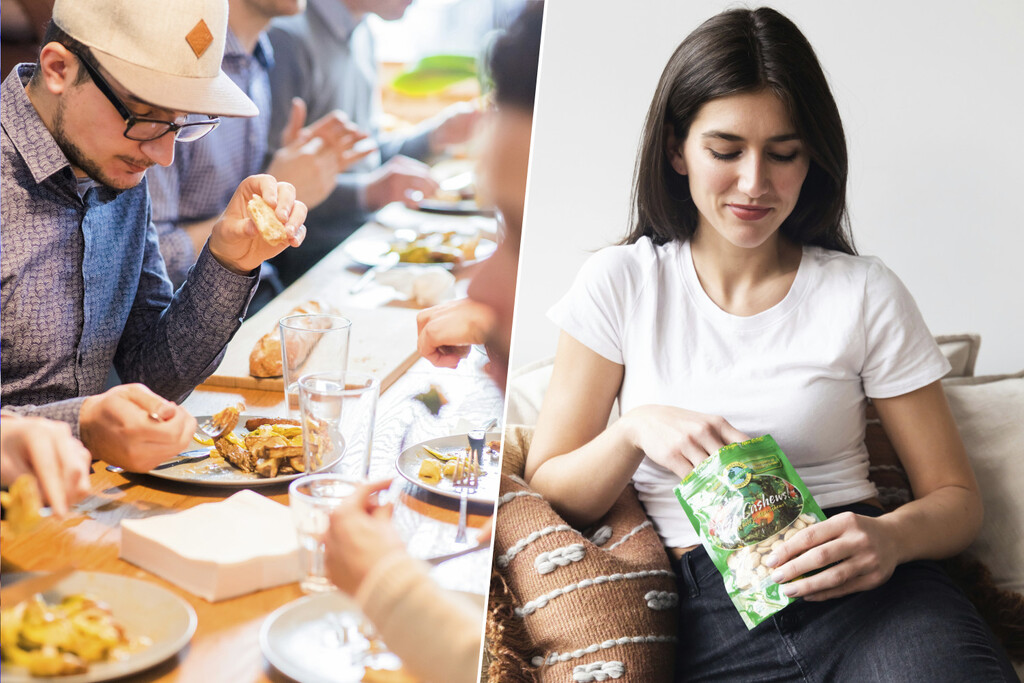
There was a time when "snacking" was perceived as a nutritional lapse, a culinary indulgence taken between main meals. Today, this perception is being overtaken by a structural shift termed "snackification." The phenomenon describes the transition from an eating regimen based on grand rituals — breakfast, lunch, and dinner — to a routine of multiple small ingestions throughout the day, adapted to the frenetic pace of urban life.
Historical data, such as a survey by Spain's Centro de Investigaciones Sociológicas (CIS), already indicated that the average number of daily meals hovered around 3.5. At the time, half the population still adhered to the classic triple-meal model, but the trend toward fragmentation was already proving irreversible. What was once an exception driven by haste has become a behavioral pattern dictating the development of new products by the food industry.
This silent revolution extends beyond mere frequency to encompass the nature of consumption. The snack has ceased to be exclusively synonymous with empty treats, now incorporating demands for functionality and health. As time becomes modernity's most scarce resource, the kitchen is no longer the epicenter of domestic organization, yielding to portable solutions that blur the lines between a snack and a full meal.
With information from Xataka.
Source · Xataka