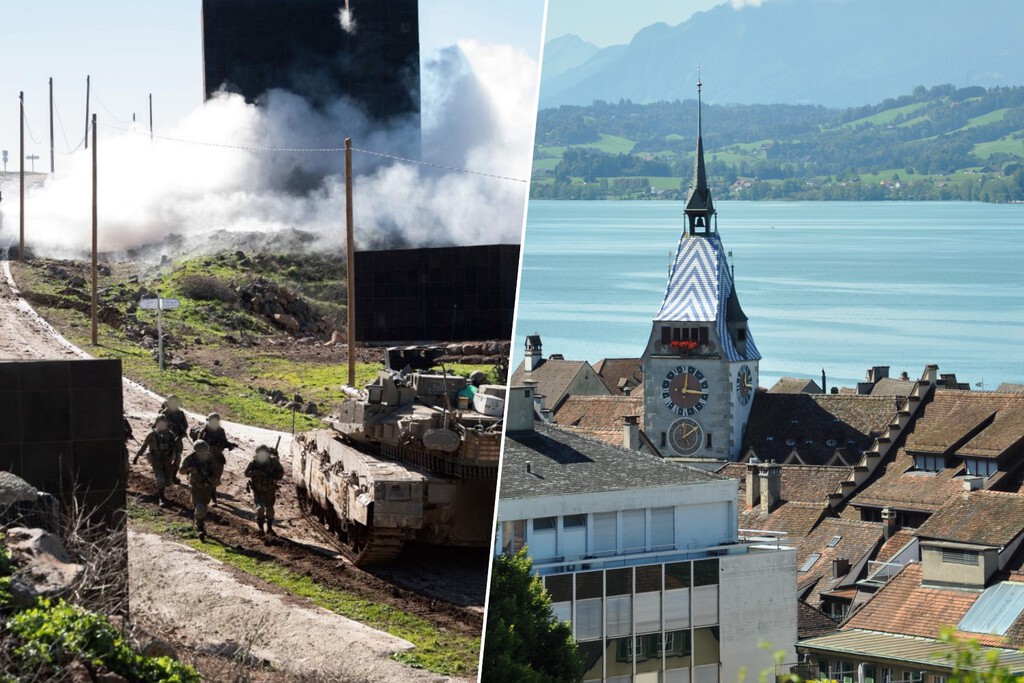
Historically, private capital rarely awaits the conclusion of diplomatic explanations before crossing borders. Since the Arab Spring in 2011, the financial sector has learned that at the slightest sign of systemic instability, significant fortunes relocate with surgical precision. Today, the phenomenon recurs: escalating tensions in the Middle East are prompting a quiet, yet massive, displacement of wealth toward Europe. Dubai, which for decades solidified its reputation as an oasis of low taxation and unquestionable luxury, is beginning to lose its luster as an absolute safe haven. Its geographical proximity to regional conflicts and geopolitical vulnerability have introduced a variable that capital abhors: physical uncertainty. For the region's billionaires, the paramount priority has shifted from profit optimization to the raw preservation of assets. The destination of this migration is, strategically, the small Swiss canton of Zug. Known for its discretion and centuries-old stability, the location offers what the new desert financial centers cannot yet fully guarantee: institutional safeguards immune to military fluctuations. In Zug, capital finds not only a favorable tax regime but also a legal and political infrastructure that has endured centuries of global crises. This redrawing of the global wealth map demonstrates that, in the landscape of financial innovation, legal certainty still outweighs the allure of skyscrapers. While technology facilitates real-time asset transfers, physical geography and political stability remain the pillars that dictate where capital flows when the horizon darkens. With information from Xataka.
Source · Xataka