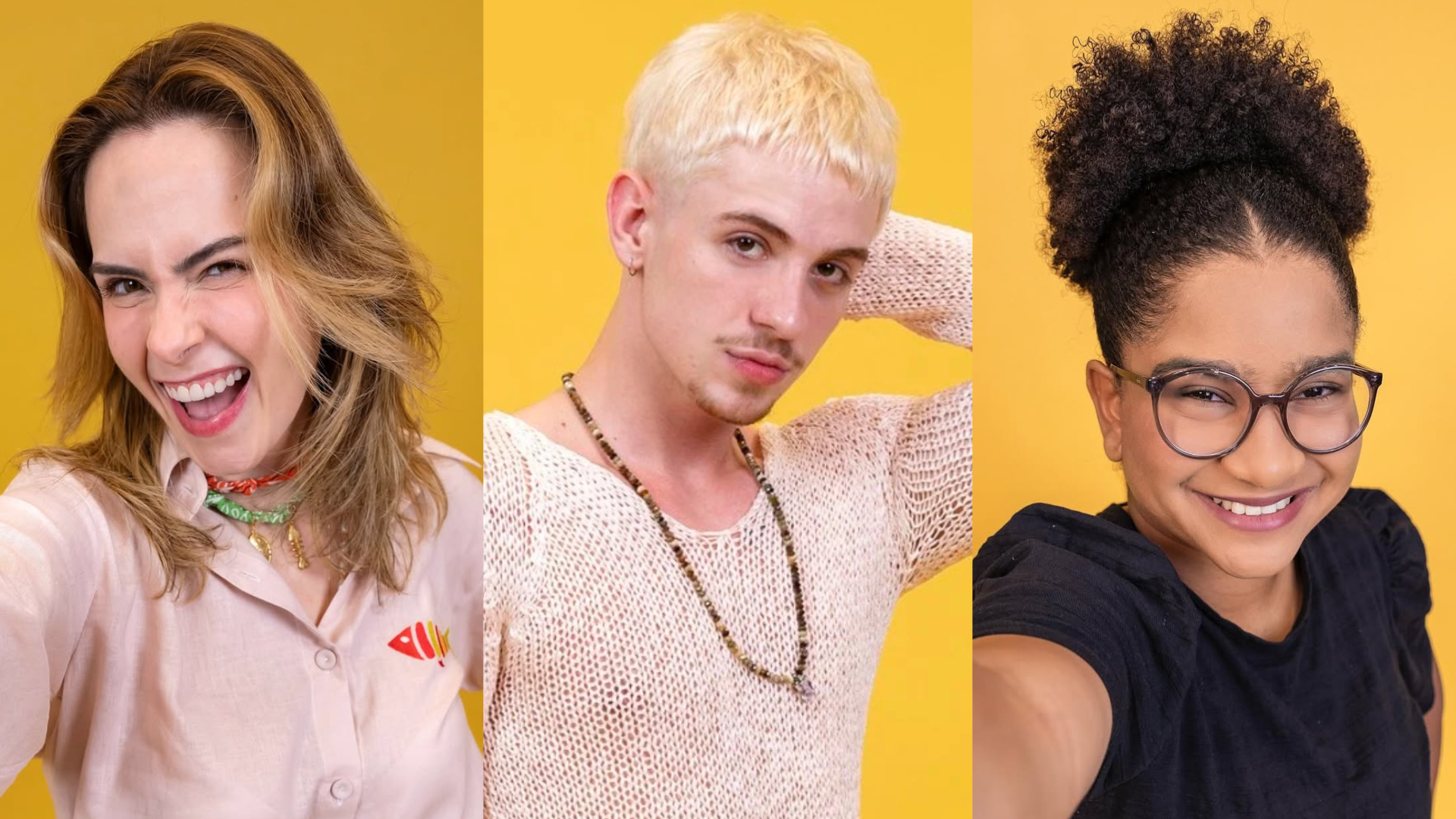
In the landscape of Brazilian cultural exports, few phenomena carry as much weight—or generate as much granular data—as *Big Brother Brasil*. As the 2026 season nears its conclusion on Tuesday, April 21, the country’s collective attention has narrowed to a trio of finalists: Ana Paula Renault, Juliano Floss, and Milena. After 100 days of orchestrated isolation, the stakes have reached a financial zenith, with a prize pool now totaling R$ 5.44 million.
The final stretch of the competition has become a study in digital sentiment. While the official voting remains a closely guarded secret of the broadcaster until the live announcement, a sprawling ecosystem of unofficial polls and social media analytics has begun to coalesce around a likely winner. These metrics serve as more than mere speculation; they are a reflection of the show’s role as a social barometer, where public favor is traded like currency in a high-intensity attention economy.
This season’s conclusion marks the end of a marathon that blends traditional broadcast television with modern digital engagement. Whether the eventual winner aligns with current polling trends or benefits from a last-minute shift in momentum, the finale remains a significant moment for the domestic media industry, highlighting the enduring power of the reality format to capture and monetize a national narrative.
With reporting from Exame Inovação.
Source · Exame Inovação