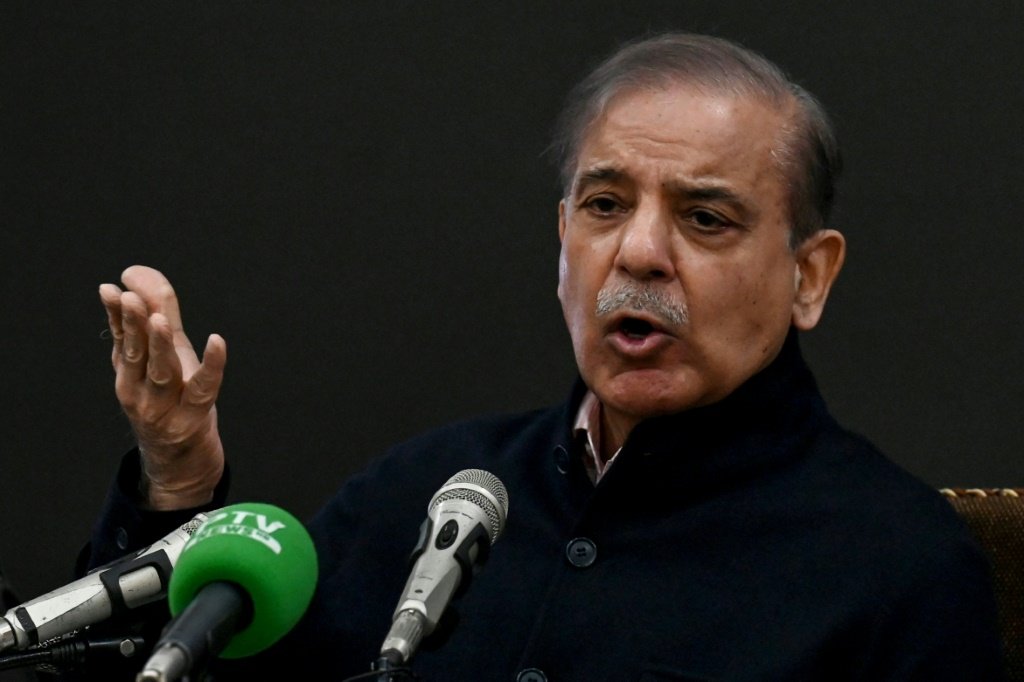
President Donald Trump has announced an extension of the current ceasefire with Iran, a move framed by the administration as a tactical pause to allow for diplomatic movement. Writing on his Truth Social platform, Trump noted that the decision followed mediation requests from Pakistani Prime Minister Shehbaz Sharif and General Asim Munir. However, the "peace" remains heavily qualified: U.S. forces have been ordered to maintain their naval blockade of Iranian ports, keeping the military in a state of high readiness for immediate engagement.
In Tehran, the gesture has been met with profound cynicism. An aide to Mohammad Baqer Qalibaf, the speaker of the Iranian Parliament and a key negotiator, dismissed the extension as a "maneuver to gain time" for a surprise American offensive. From the Iranian perspective, the persistent maritime blockade is functionally indistinguishable from kinetic warfare. Officials in Tehran suggested that the economic strangulation of their ports is an escalation that warrants a military response rather than a return to the negotiating table.
The White House’s strategy appears to be one of calculated pressure. Trump characterized the Iranian leadership as "seriously fragmented," suggesting that the ceasefire extension provides a window for the country’s internal factions to coalesce around a unified proposal. By maintaining the blockade while withholding direct strikes, the U.S. is testing the endurance of a regime it perceives to be in flux, even as Tehran warns that the line between a diplomatic pause and an act of war has already been crossed.
With reporting from InfoMoney.
Source · InfoMoney