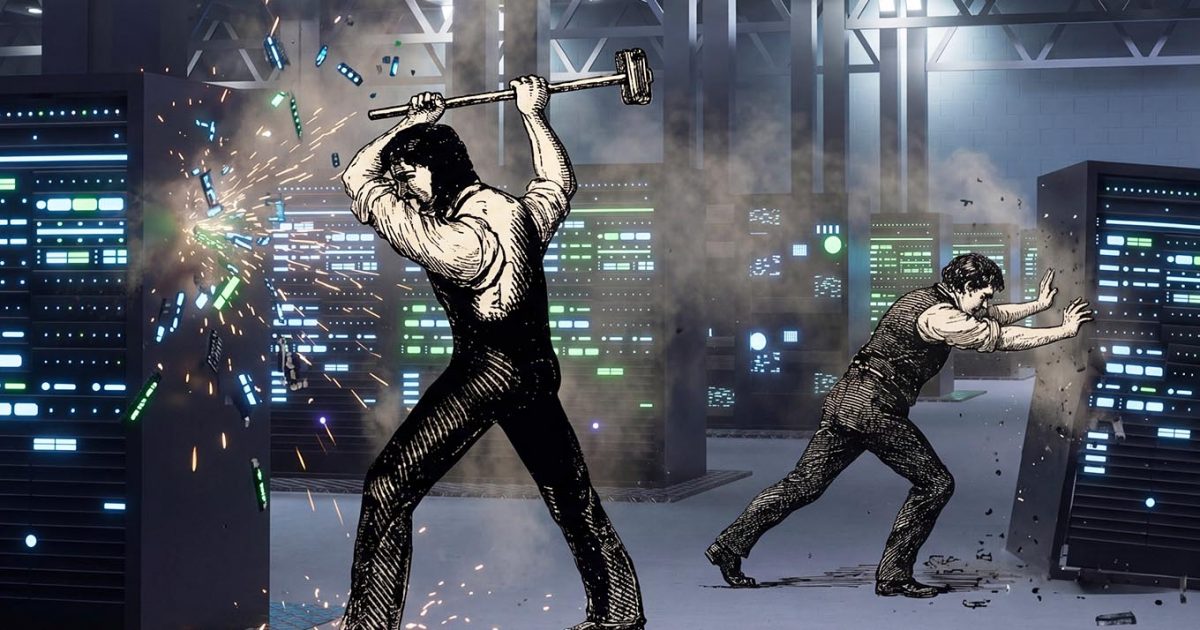
The era of quiet fascination with artificial intelligence is giving way to a more volatile phase of public dissent. While the technology's rapid integration into the global economy was once framed as an inevitability, a growing movement of critics is shifting from digital debate to tangible resistance. This backlash is manifesting in increasingly physical ways, ranging from security threats against industry leaders like OpenAI’s Sam Altman to organized efforts to block the physical infrastructure that powers the silicon dream.
The friction is most visible in the battle over land and resources. Across the globe, communities are beginning to protest the construction of massive data centers, citing the immense energy demands and water consumption required to keep large language models running. These facilities, once viewed as benign hallmarks of the digital age, are increasingly seen as environmental liabilities, sparking a new form of "not-in-my-backyard" activism that challenges the physical footprint of the cloud.
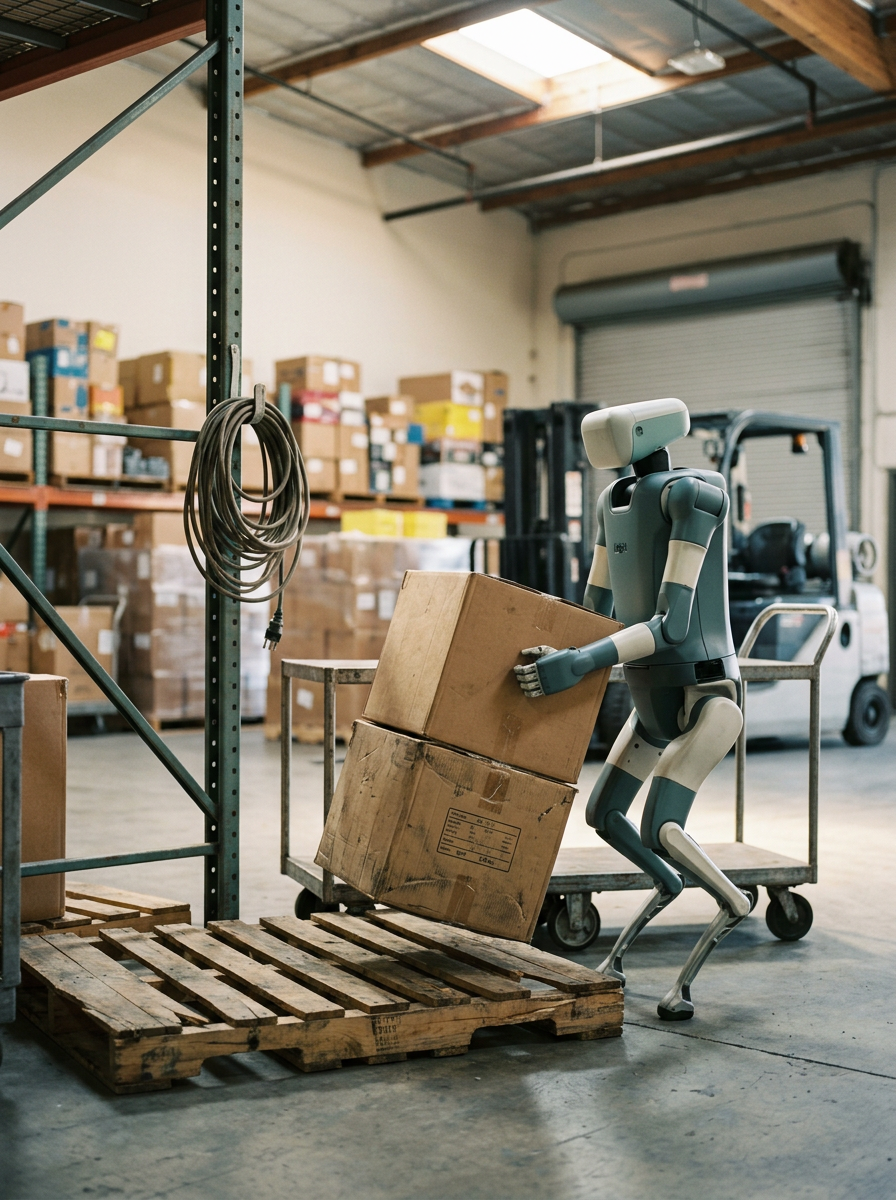
Beyond infrastructure, the resistance is entering the professional sphere. A growing number of workers are quietly or overtly refusing to integrate AI tools into their workflows, viewing them not as productivity enhancers but as instruments of labor erosion. This "refusal to use" movement suggests that the social contract of the workplace is being rewritten, as employees push back against the automation of cognitive tasks and the perceived homogenization of creative output.
This escalating tension suggests that the future of AI will not be determined solely by Moore’s Law or venture capital, but by a complex negotiation with a public that is increasingly wary of the technology's societal costs. As the novelty of the chatbot fades, the reality of its impact on our physical and professional environments is sparking a broad, systemic friction that the industry can no longer afford to ignore.
With reporting from L'ADN.
Source · L'ADN