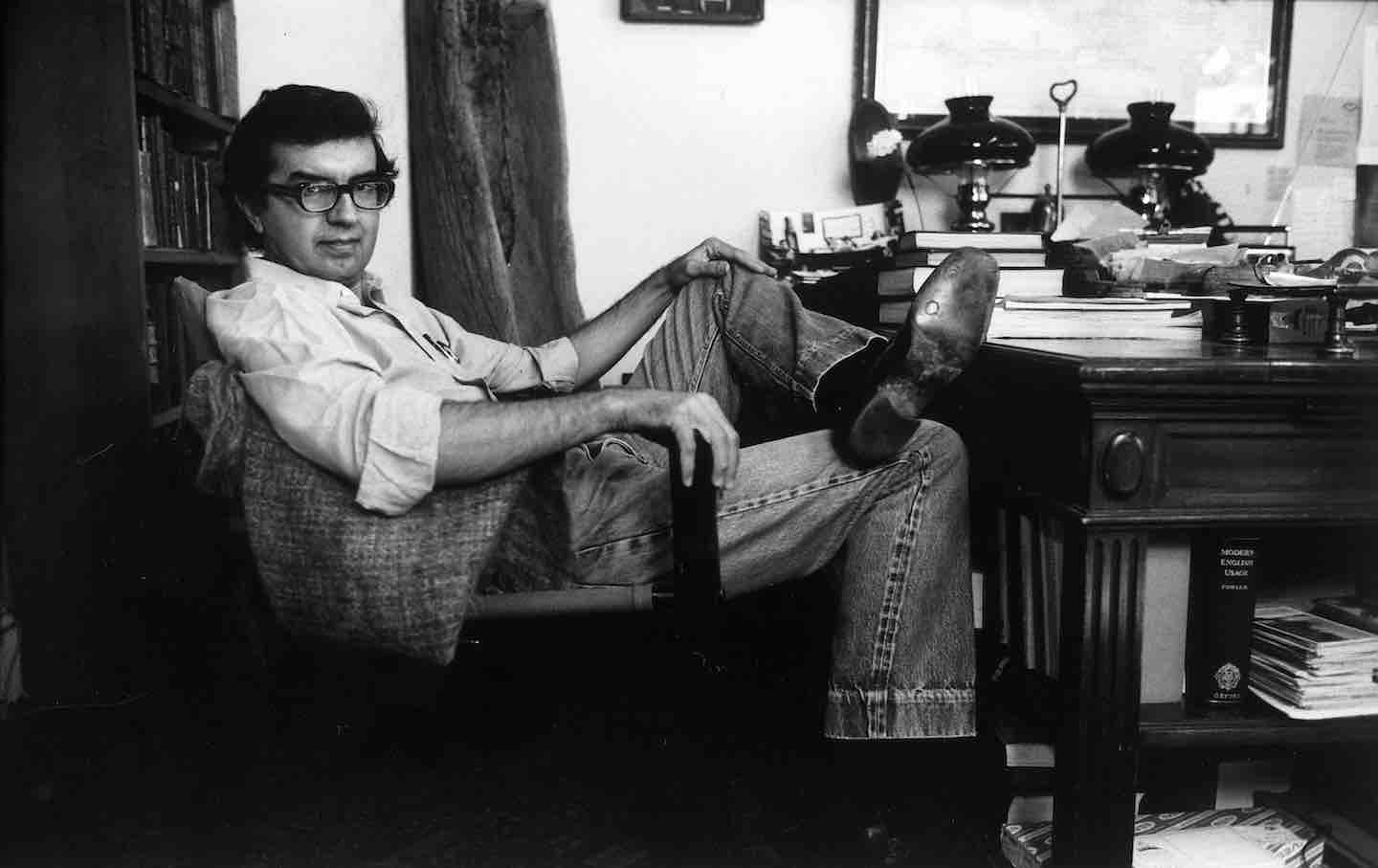
Larry McMurtry spent much of his career attempting to strip the American West of its varnish. Through his prose, he sought to replace the tall tales of rugged individualism and noble expansion with a more harrowing reality: the isolation, the boredom, and the often-senseless violence of frontier life. He was, in his own estimation, a demythologizer.
Yet, as his novels migrated from the page to the screen, a strange inversion occurred. Hollywood, an industry built on the currency of the hero’s journey, possessed a gravitational pull that McMurtry’s skepticism could not escape. Works like *Lonesome Dove*, intended as a subversion of cowboy nostalgia, were transformed by the cinematic lens into the very monuments of romanticism he had tried to avoid. The grit remained, but it was framed by sweeping vistas and a sense of elegiac grandeur that invited the viewer back into the myth.
This tension highlights a persistent friction between the author’s intent and the system of cultural production. McMurtry’s characters were meant to be warnings against the glorification of a brutal past, but in the hands of directors and studio executives, they became icons. It suggests that some myths are so foundational to the American psyche that they possess a self-correcting mechanism, absorbing even the most pointed critiques and turning them into further proof of their own endurance.
With reporting from Arts and Letters Daily.
Source · Arts and Letters Daily