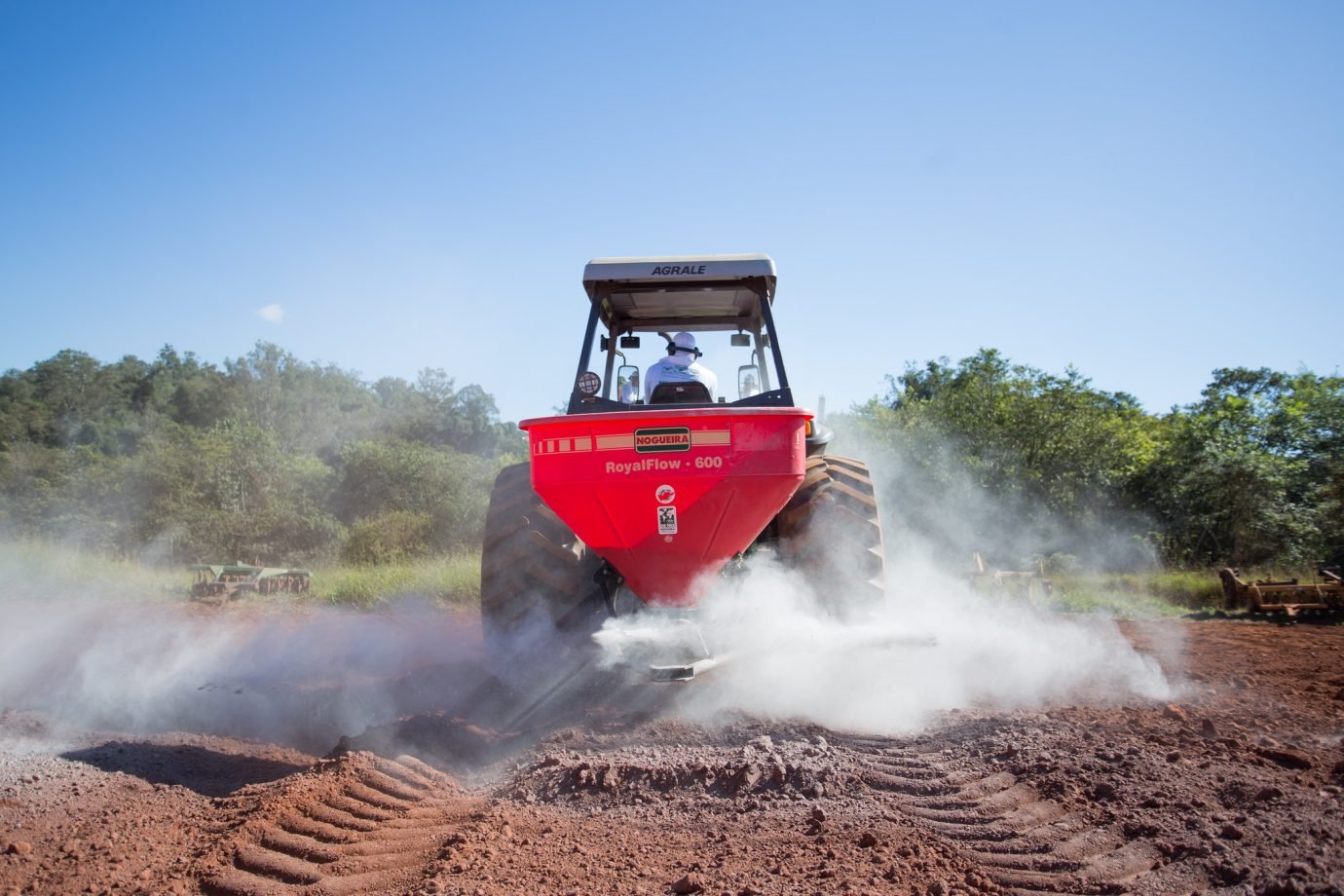
A 53 percent surge in fertilizer deliveries to Brazilian farms this January might, at first glance, suggest a simple explosion in agricultural demand. However, the data released by the National Association for the Diffusion of Fertilizers (ANDA) points to a more calculated, defensive posture. Rather than a sign of unbridled optimism, this spike represents a strategic hedge against a global supply chain increasingly defined by friction.
The primary catalyst is the deepening instability in the Middle East, a region critical to the global flow of the inputs that sustain Brazil’s massive agricultural output. Brazil’s reliance on foreign fertilizer remains a persistent structural vulnerability; as geopolitical tensions threaten to disrupt shipping lanes and production hubs, the country’s agribusiness sector has moved to secure its essential nutrients well ahead of the traditional planting cycle.
This shift reflects a broader trend in global trade: the transition from "just-in-time" logistics to a "just-in-case" philosophy. In an era of volatile supply chains and rising geopolitical friction, the ability to insulate oneself from external shocks has become as vital as the harvest itself. For Brazil, these early purchases are not merely operational—they are a necessary act of economic sovereignty in an increasingly fragmented world.
With reporting from Exame Inovação.
Source · Exame Inovação