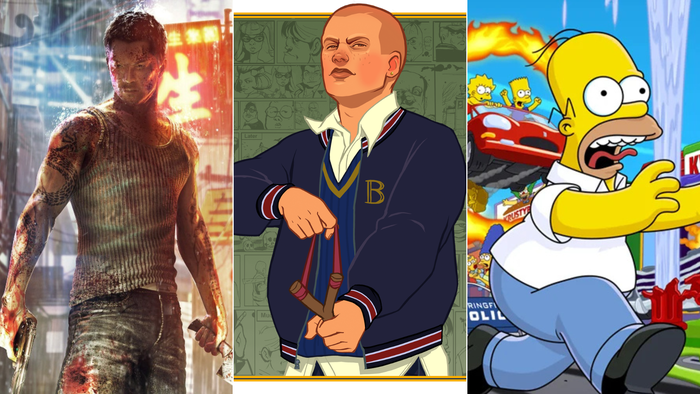
In an era dominated by remakes and remasters, the gaming industry appears to have found a safe harbor in nostalgia. However, this low-risk strategy conceals a trail of promising projects that, despite critical and commercial success, were ultimately shelved. This phenomenon reveals a pragmatic — and at times ruthless — facet of major AAA studios, which prioritize saturated franchises over the continuation of authentic works.
Cases such as Rockstar's *Bully* and United Front Games' *Sleeping Dogs* aptly illustrate this dynamic. The former, a cult classic that subverted the open-world genre by trading organized crime for school life, had its sequel canceled multiple times. The latter, an action thriller set in Hong Kong, succumbed not due to a lack of quality, but to sales expectations that bordered on impossible by the corporate standards of the era.
The rationale behind these cancellations frequently disregards the cultural value and fan base of these titles. Often, an intellectual property is set aside simply because it does not align with aggressive monetization models or is deemed "obsolete" from the perspective of executives focused on quarterly profits. The result is a market that, while technologically advanced, frequently prefers the comfort of the familiar to the risk of innovation.
With information from Canaltech.
Source · Canaltech