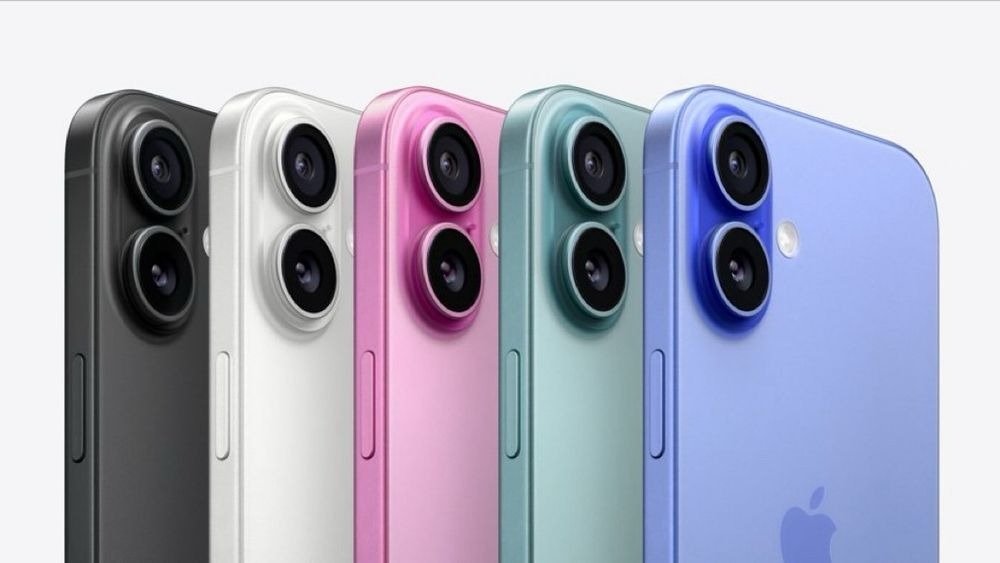
The ubiquity of the USB-C port across the iPhone 16 lineup suggests a hard-won era of hardware standardization. Yet, beneath the uniform oval opening, Apple maintains a calculated hierarchy of performance. While every new model has abandoned the proprietary Lightning connector, the actual velocity of data moving through those ports remains a matter of model tier and, crucially, the specific copper inside the cable.
For users of the iPhone 16 Pro and Pro Max, the hardware supports USB 3 speeds of up to 10 Gbps—a threshold that allows for the near-instantaneous transfer of massive 4K video files. However, the standard iPhone 16 and 16 Plus remain tethered to legacy USB 2 specifications, capping transfers at a modest 480 Mbps. This creates a stark digital divide: the Pro models are architected to move data roughly 20 times faster than their entry-level counterparts.
The final hurdle is the cable itself. Apple’s transition to a universal port does not eliminate the need for technical discernment; the charging cable included in many boxes is often optimized for power delivery rather than high-speed data throughput. To unlock the Pro’s full potential, users must pair the device with a specific USB 3-compatible cable. It is a reminder that in the modern ecosystem, the convenience of a universal plug does not always guarantee a universal experience.
With reporting from [Exame Inovação].
Source · Exame Inovação