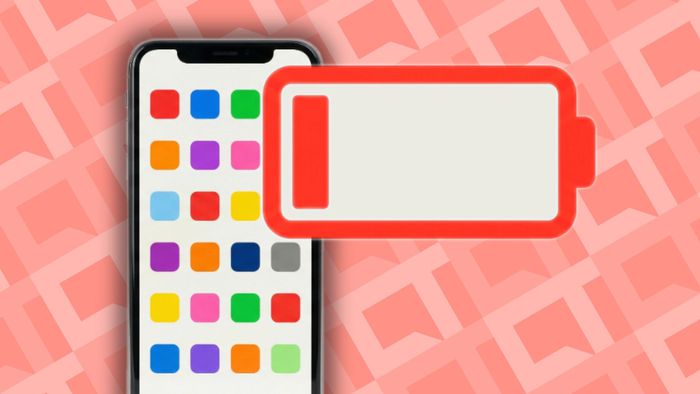
The autonomy of lithium-ion batteries remains the Achilles' heel of digital mobility. Often, the fault does not lie with the hardware, but with "silicon vampires": applications that operate continuously in the background. Even when users believe a program is inactive, it may be executing invisible tasks that consume processing cycles and, consequently, precious energy.
The primary culprits for this silent drain are GPS location services and the constant maintenance of mobile connectivity. 4G and 5G networks demand significant power to perform network scans and real-time update downloads. When an application is poorly optimized, it keeps these channels open unnecessarily, preventing the processor from entering a deep sleep state.
The efficiency of code architecture also plays a crucial role. There is a fundamental technical distinction between *polling* — where the application repeatedly queries the server for updates — and the *push* system, where the server sends information only when necessary. Opting for the former approach is frequently an engineering error that results in energy waste and systemic sluggishness, demonstrating that software sophistication is also measured by what it refrains from consuming.
With information from Canaltech.
Source · Canaltech