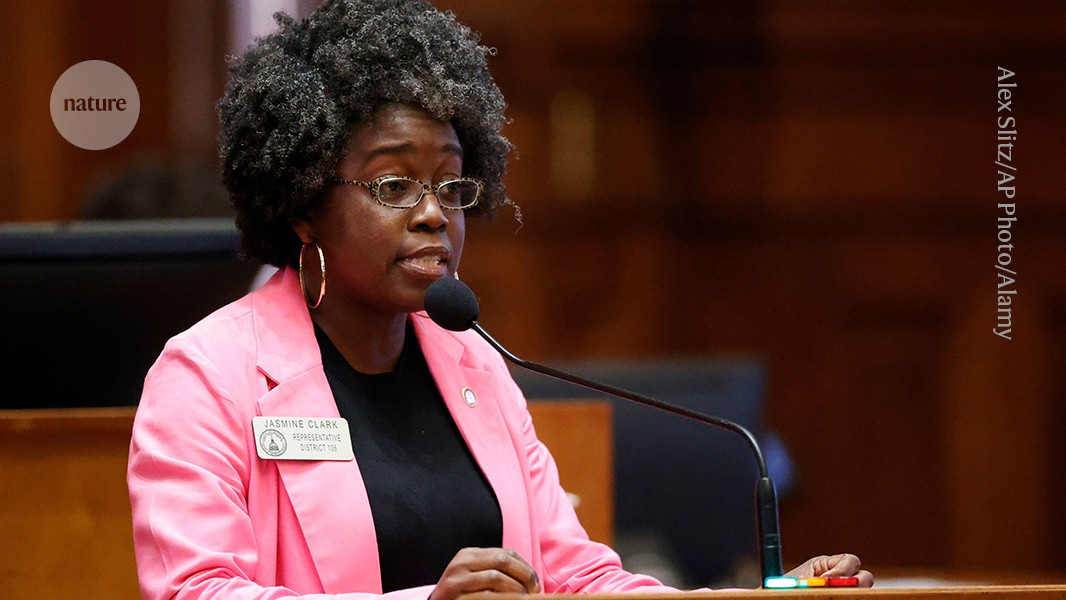
The traditional distance between the laboratory and the legislative floor is narrowing. According to new data, a record number of researchers are running for office in the upcoming 2026 U.S. mid-term elections, marking a significant shift in how the scientific community views its role in the machinery of government. No longer content to merely provide expert testimony, these candidates are seeking the authority to draft the laws that govern their fields.
The motivations for this surge are as varied as the disciplines the candidates represent. For many on the Democratic side, the decision to run is a defensive maneuver—a direct response to significant cuts in federal science funding and research grants. For these candidates, the campaign trail is an extension of the peer-review process, a necessary step to protect the integrity of the nation’s intellectual infrastructure from political erosion.
Conversely, Republican-leaning researchers are increasingly drawn to the ballot by the strategic imperatives of the future. Their platforms often prioritize the competitive landscape of artificial intelligence and the complexities of energy independence. Rather than focusing on budget restoration, these candidates view political office as a means to ensure the U.S. remains the primary architect of emerging technologies. This influx suggests that while science remains the shared language, the vision for its application remains deeply contested.
With reporting from Nature News.
Source · Nature News