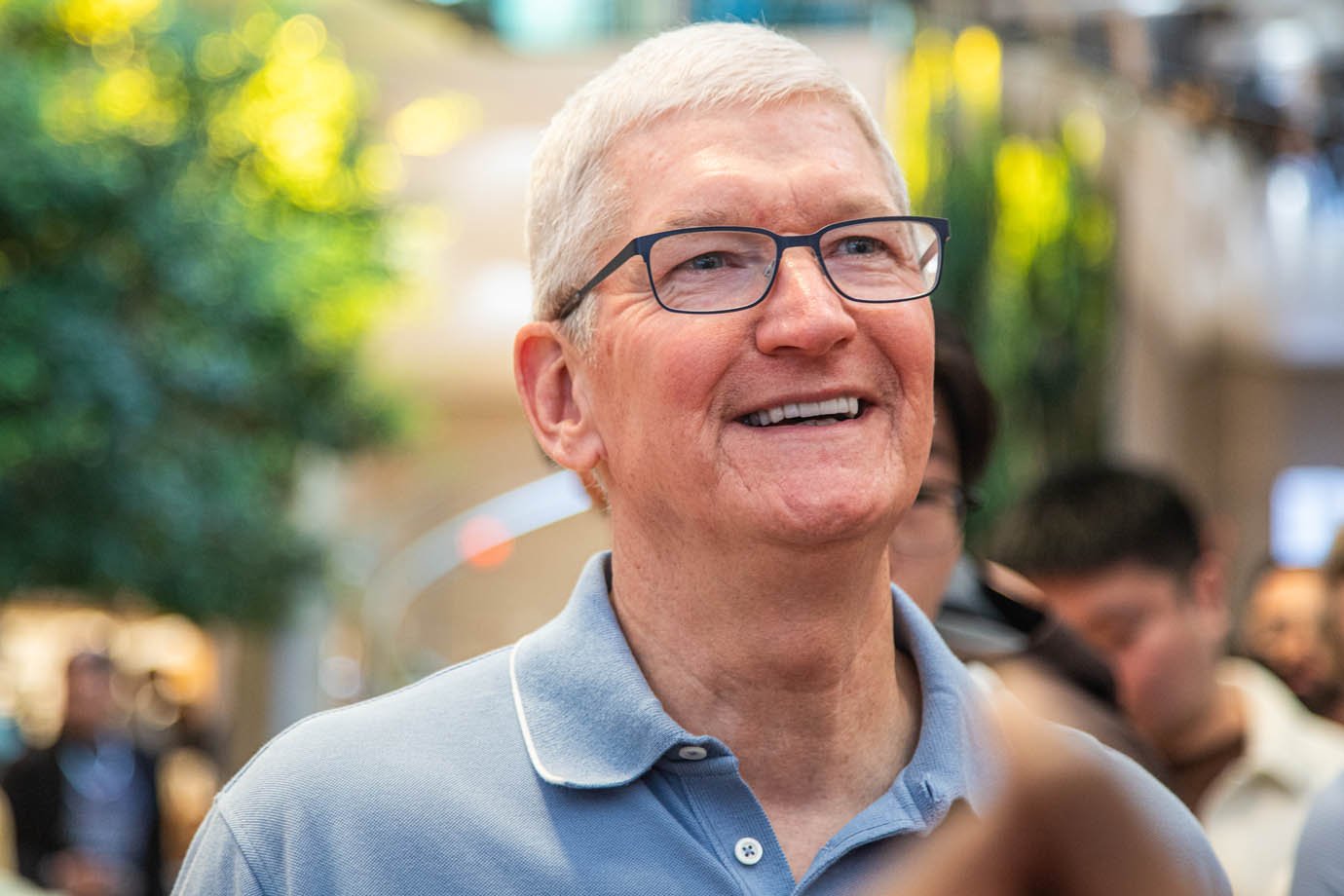
When Tim Cook joined Apple in March 1998, the company was far from the cultural and financial monolith it is today. Recruited from Compaq by a recently returned Steve Jobs, Cook arrived at a firm that was bleeding cash and struggling to find its footing in a market dominated by Windows. While Jobs provided the charismatic fire and aesthetic direction, Cook provided the ice—a ruthless operational discipline that would eventually become the company's true engine of growth.
Cook’s tenure as CEO, which began in 2011, has been defined by a shift from the singular "moonshot" product launches of the Jobs era to the construction of a vast, interlocking ecosystem. Under his watch, Apple has moved beyond the iPhone to dominate the wearables market with the Apple Watch and AirPods, while simultaneously pivoting toward a high-margin services model. He did not just sell hardware; he built a recurring relationship with billions of users through software and subscriptions.
Critics often argue that Apple has lost its revolutionary edge under Cook, yet the economic reality suggests a different kind of revolution. By mastering the global supply chain and diversifying the company’s revenue streams, Cook transformed a boutique computer maker into a multi-trillion-dollar entity. His legacy is one of scale and sustainability, proving that in the technology sector, the genius of the "how" is often just as consequential as the genius of the "what."
With reporting from Exame Inovação.
Source · Exame Inovação