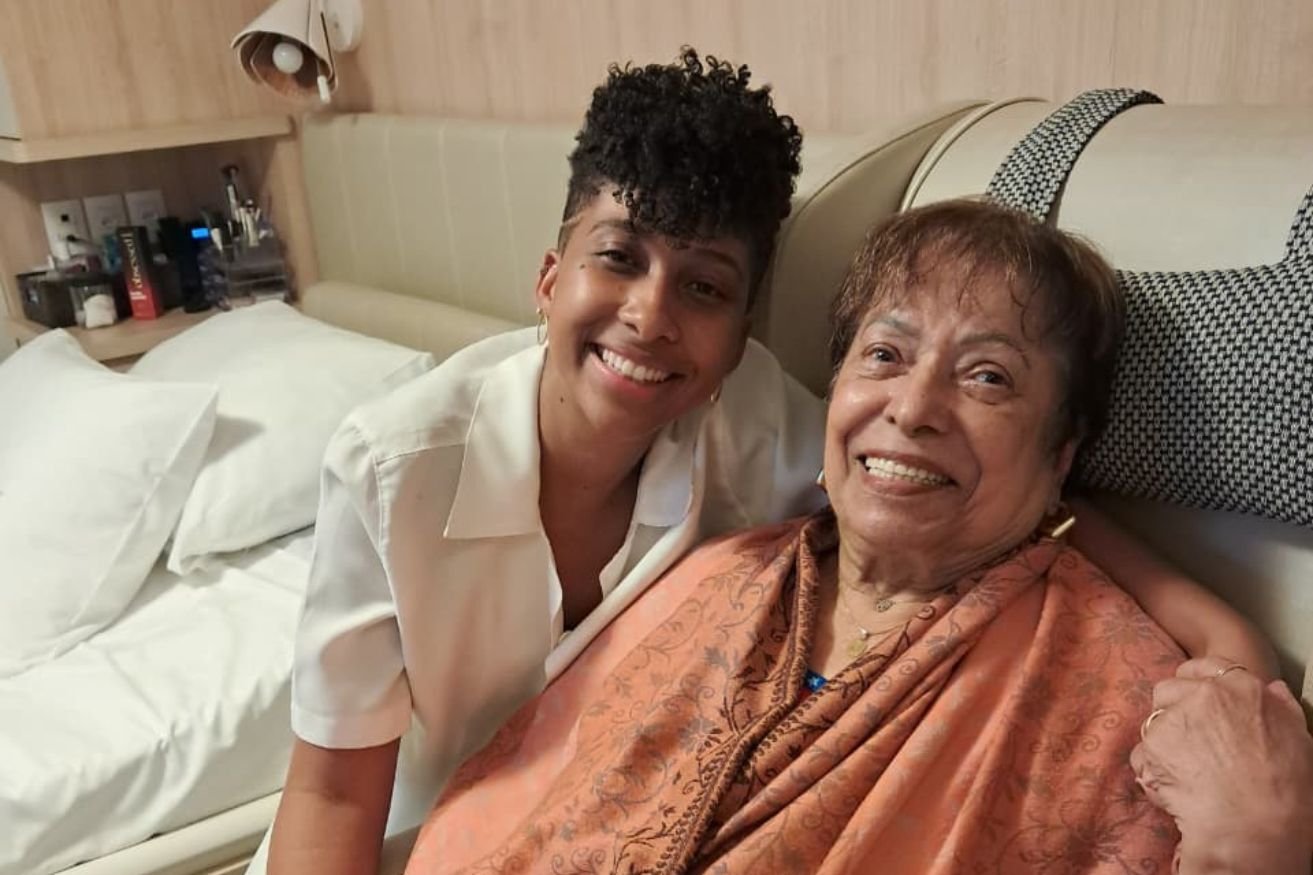
In Xerém, a district of Duque de Caxias in Rio de Janeiro, Camila de Oliveira Vieira’s workday begins with a complex choreography of medication schedules, mobility assistance, and meal preparation. At 35, Vieira is part of a burgeoning workforce dedicated to the elderly, a role that requires equal parts physical stamina and emotional intelligence. For her clients, the technical aspects of care are often secondary to the simple necessity of conversation—a human bulwark against the isolation that often accompanies aging.
Vieira’s career path reflects a profound systemic shift in Brazil. Long characterized by its youth, the country is aging at an accelerated pace, forcing a rapid reorganization of its labor market and social fabric. As the demographic pyramid inverts, the "care economy" is transitioning from an informal domestic arrangement into a professionalized sector. This expansion is not merely a matter of healthcare logistics; it is a fundamental recalibration of how the state and the private sector value labor that was historically invisible.
The rise of the professional caregiver underscores a broader challenge for developing economies: how to sustain a dignified quality of life for a graying population without the infrastructure of more established welfare states. For workers like Vieira, the job is a high-stakes balancing act. It is a profession defined by constant vigilance over both the bodies and the spirits of the elderly, signaling a future where the most essential technology in the labor market remains the human touch.
With reporting from Exame Inovação.
Source · Exame Inovação