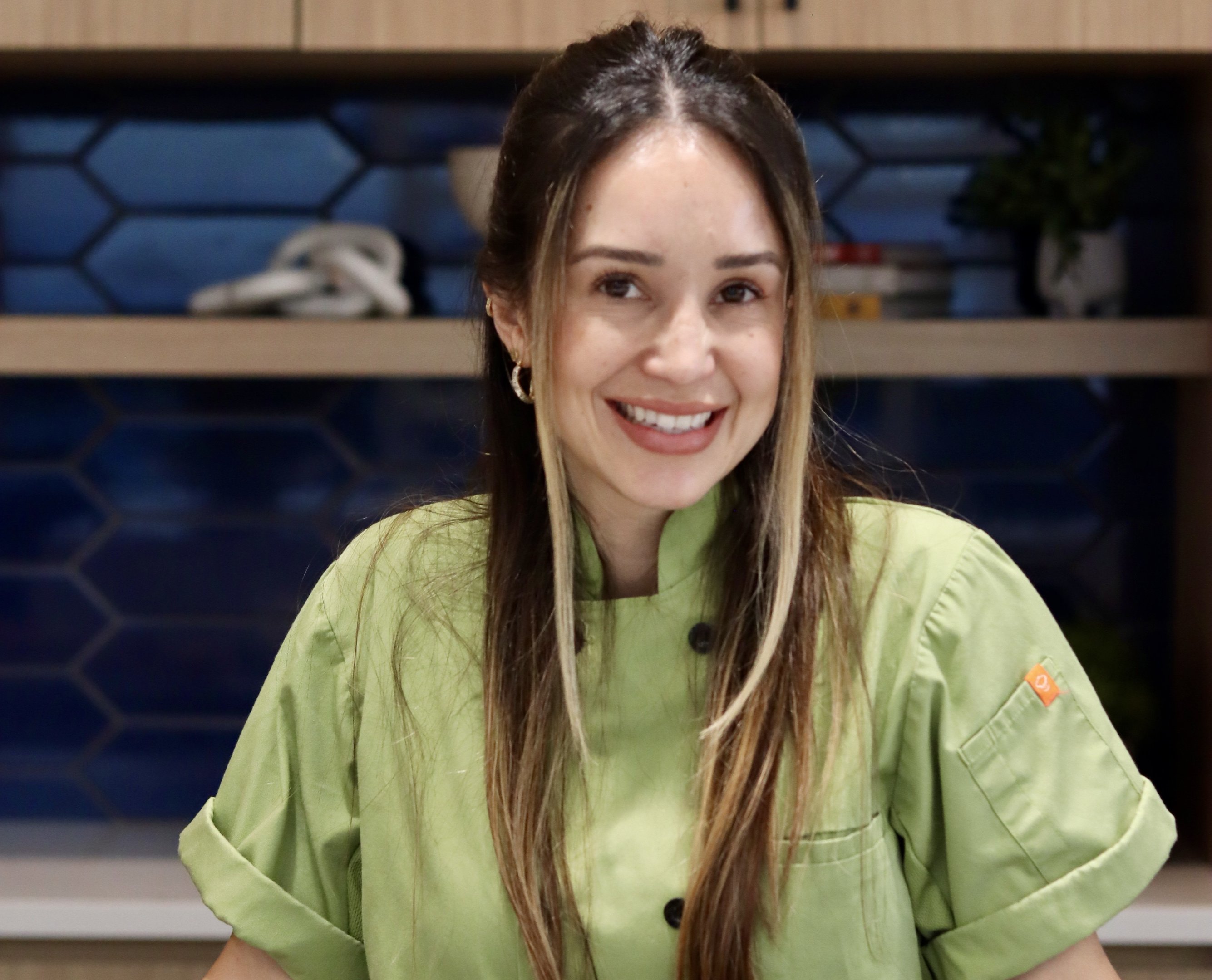
The trajectory of Camila Cavazana, from a domestic kitchen in São José do Rio Preto to the helm of a R$ 1.2 million business in the United States, serves as a case study in the professionalization of domestic labor. What began as a personal practice—learning the fundamentals of cooking from her grandmother—evolved through the rigors of a degree in nutrition. This formal education allowed Cavazana to pivot from simple meal preparation to a systematic approach to healthy eating.
In Brazil, the "marmita" or prepared lunch box is a ubiquitous cultural artifact, often associated with necessity rather than luxury or optimized health. Cavazana’s insight was to treat these meals as a product of nutrition science rather than mere sustenance. After gaining experience in the restaurant industry, she launched her own venture, focusing on the growing demand for health-conscious, convenient dining.
The expansion into the American market represents a significant leap in scale and operational complexity. By maintaining the core principles of her initial home-based business while adapting to the logistical demands of a much larger economy, Cavazana has successfully exported a localized service model. Her success underscores a broader trend: the transformation of traditional culinary crafts into high-growth, data-informed businesses.
With reporting from Exame Inovação.
Source · Exame Inovação