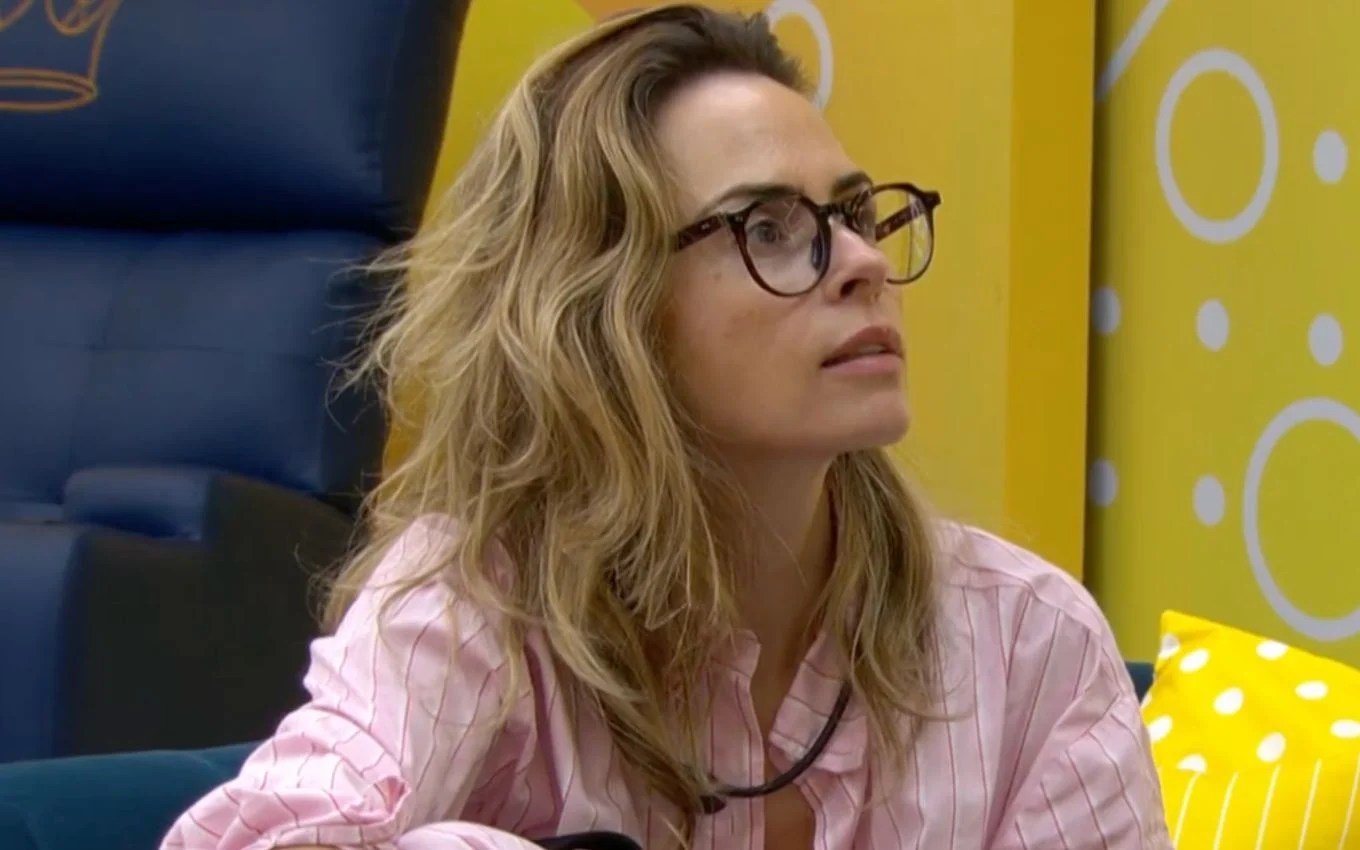
The recent success of Ana Paula Renault on *Big Brother Brasil 26* has reignited a conversation about the lifecycle of reality television stars and the strategic recycling of fame. By reintroducing a polarizing figure into the show’s ecosystem, the franchise managed to bridge the gap between nostalgic engagement and contemporary viral relevance. This "veteran" strategy is less about discovery and more about the calculated deployment of established cultural capital to stabilize ratings.
For the producers of the upcoming *BBB 27*, the challenge lies in identifying which former contestants possess the specific alchemy required to disrupt a modern house. The move toward utilizing legacy "characters" reflects a broader trend in mass media: the reliance on proven intellectual property to mitigate the risks of audience fragmentation. In an era where attention is the primary currency, a known quantity is often more valuable than a new face.
As the industry looks toward the next season, the speculation surrounding potential returns underscores the show's role as a persistent engine of social discourse. The question is no longer just about who is participating, but how their previous narratives can be weaponized or redeemed to maintain the program's dominance in the national conversation.
With reporting from Exame Inovação.
Source · Exame Inovação