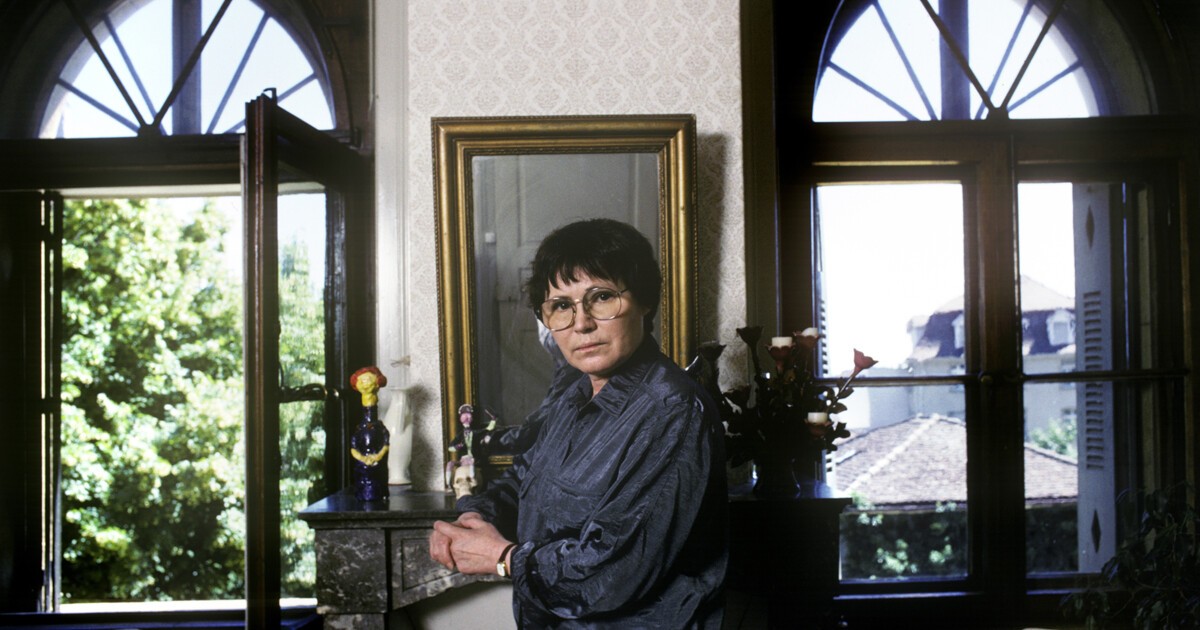
The literature of Agota Kristóf operates in a space where the social contracts we consider bedrock are revealed to be remarkably thin. In her clinical, often brutal prose, the moral codes that ostensibly protect us from our own darker impulses are not dismantled by grand philosophical debates, but by the sheer, grinding reality of war. When the systems of civil society fail, Kristóf suggests, the human capacity for cruelty is not an aberration, but a default state.
Her work is defined by a refusal to moralize. Where other authors might offer a redemptive arc or a clear condemnation of violence, Kristóf presents the worst of human behavior with a flat, unwavering gaze. This lack of judgment has long been a source of controversy, yet it reflects a profound philosophical skepticism. To Kristóf, the "dark things" that ensnare her characters are not external evils, but latent parts of the human condition waiting for the right disruption to emerge.
In an era obsessed with building robust systems—technological, political, and social—Kristóf’s narratives serve as a cautionary mapping of human entropy. They remind us that the infrastructure of our ethics is only as strong as the stability of the world around it. When that stability is compromised, the language of the enemy becomes, quite often, the only language left to speak.
With reporting from London Review of Books.
Source · London Review of Books